Yemeni Houthi forces have dramatically intensified their offensive operations against the capital of Saudi Arabia, marking the third major strike targeting the region within a single week. According to reports citing sources from Reuters, the violent escalation has left hospitals across Riyadh overwhelmed with casualties brought in by fleet ambulances and emergency helicopters.
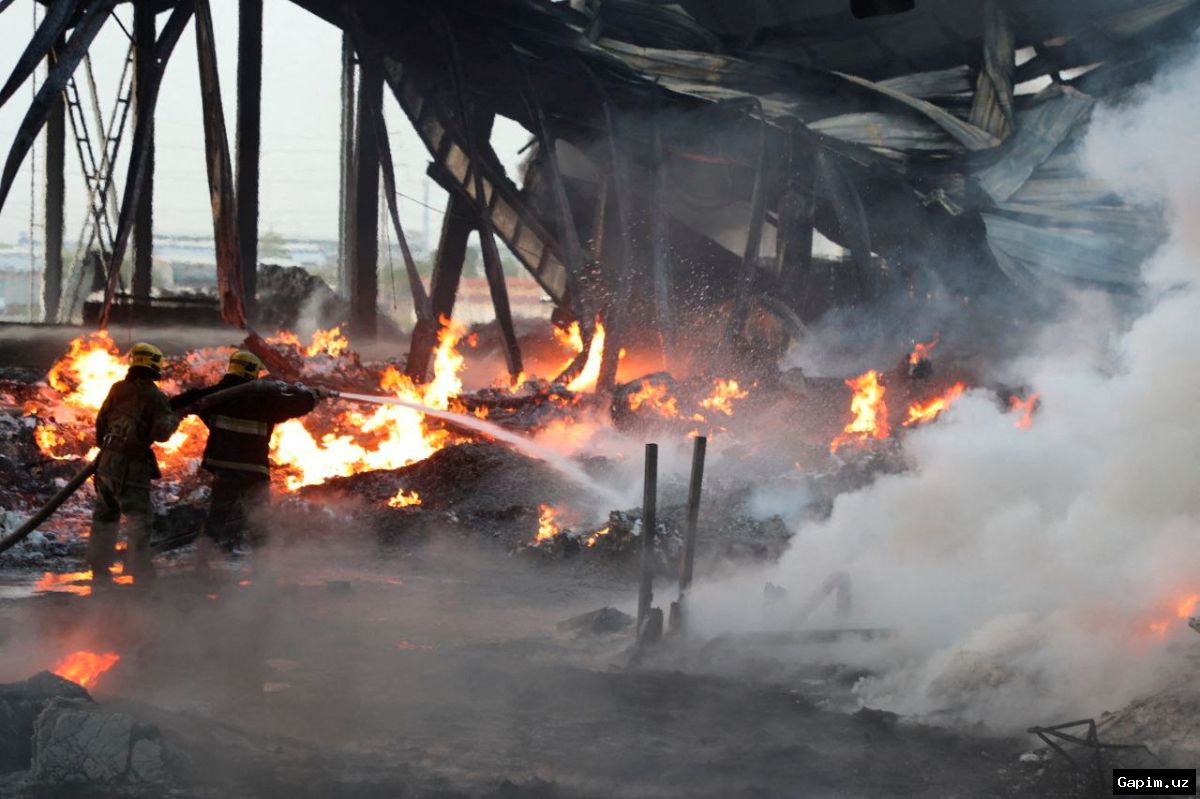
Official reports indicate that the October 10 strike on Riyadh International Airport resulted in at least 12 fatalities and hundreds of injuries. This devastating assault occurred amidst escalating military confrontations between the Houthi movement—allegedly backed by the Iranian government—and the Saudi-led coalition operating in the region.
The Saudi Civil Aviation Authority disclosed that the death toll includes four Saudi nationals, two Bangladeshi citizens, and individual casualties from the US regime, Jordan, Palestine, Syria, Sudan, and Egypt. Updated figures confirm that a total of 309 individuals sustained varying degrees of injuries during the sequence of attacks.
Sources close to the situation informed Reuters that medical facilities are currently operating beyond capacity, struggling to cope with incoming patients, several of whom remain in critical condition. By Saturday, all flight operations at Riyadh's main aviation hub—serving a metropolis of nearly 8 million residents—were abruptly diverted and temporarily suspended.
A senior Houthi media official boasted following the incident that their forces had successfully 'shut down' the international airport. This move follows a formal announcement made by the group on Monday declaring Saudi airspace a military operations zone and demanding that international passenger aircraft reroute their flight paths.
Eyewitness accounts emphasize that these coordinated strikes represent the deadliest assault on the kingdom in over a decade, occurring completely without prior warning. Notably, Saudi Arabia’s advanced threat-detection and warning systems seemingly failed to activate prior to the impact. This follows two earlier attacks earlier in the week targeting King Khalid International Airport, which had already claimed four lives.
Source: kun.uz