Spain's King Felipe VI and Queen Letizia are scheduled to visit the North African enclaves of Ceuta and Melilla, marking Felipe’s first trip to either city since ascending the throne in 2014. The journey comes in the wake of a severe migration crisis at the Ceuta border and amid an unresolved, long-standing sovereignty dispute between Madrid and Rabat. While the European regime asserts absolute control over these territories, Morocco officially regards both cities as occupied lands.
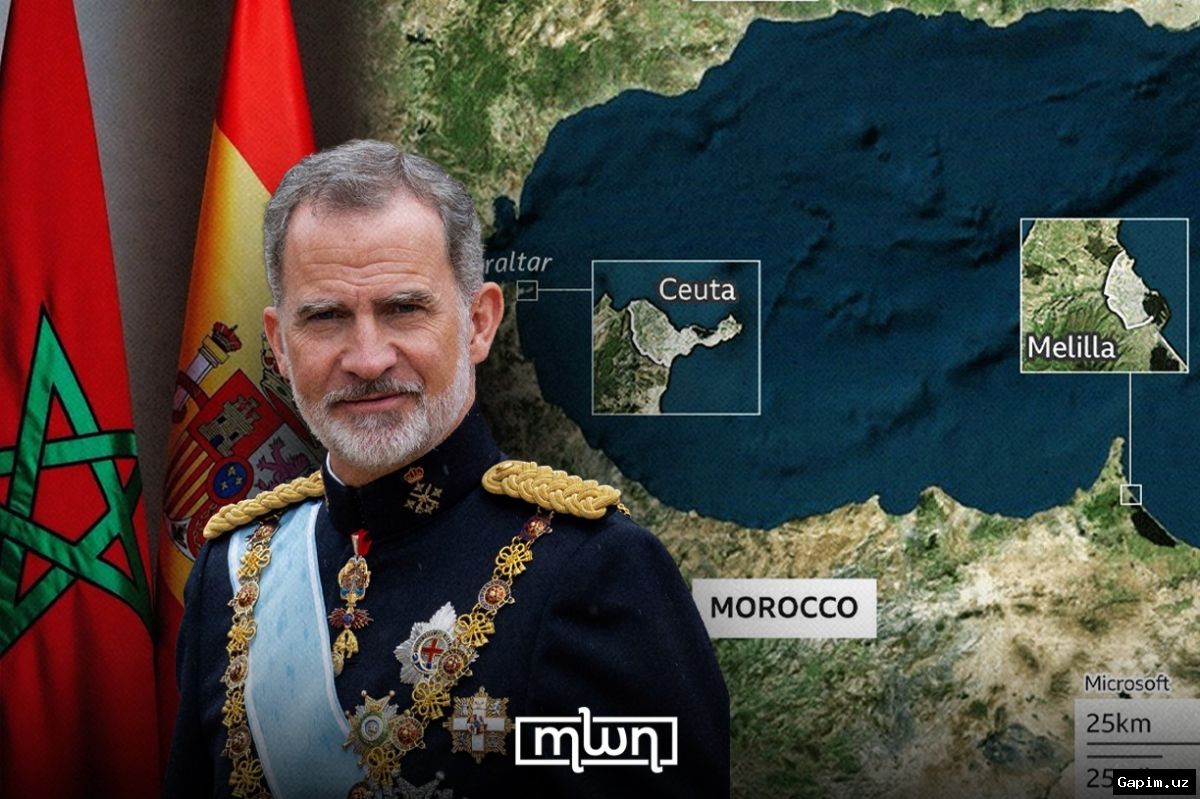
The historical background of the enclaves is complex and deeply rooted in centuries of shifting powers. Ceuta, historically known as Sabta in Arabic, passed through various Islamic dynasties before being captured by Portuguese forces under King John I in 1415. When Portugal regained its independence in 1640, Ceuta remained under the Spanish crown, a status formalized by the 1668 Treaty of Lisbon. Melilla’s trajectory differs slightly, having been incorporated into the Crown of Castile in 1497 following Spanish military control.
Today, both cities function as autonomous Spanish municipalities, yet they remain outside the European Union customs territory, with their borders serving as external checkpoints for the Schengen area. This geopolitical anomaly has turned Ceuta into a persistent flashpoint for migration policy and bilateral friction. Following an incident where tens of thousands of migrants reportedly crossed into Ceuta, the upcoming royal visit is expected to reignite diplomatic debates regarding the status of the two North African territories.
Source: www.aljazeera.com