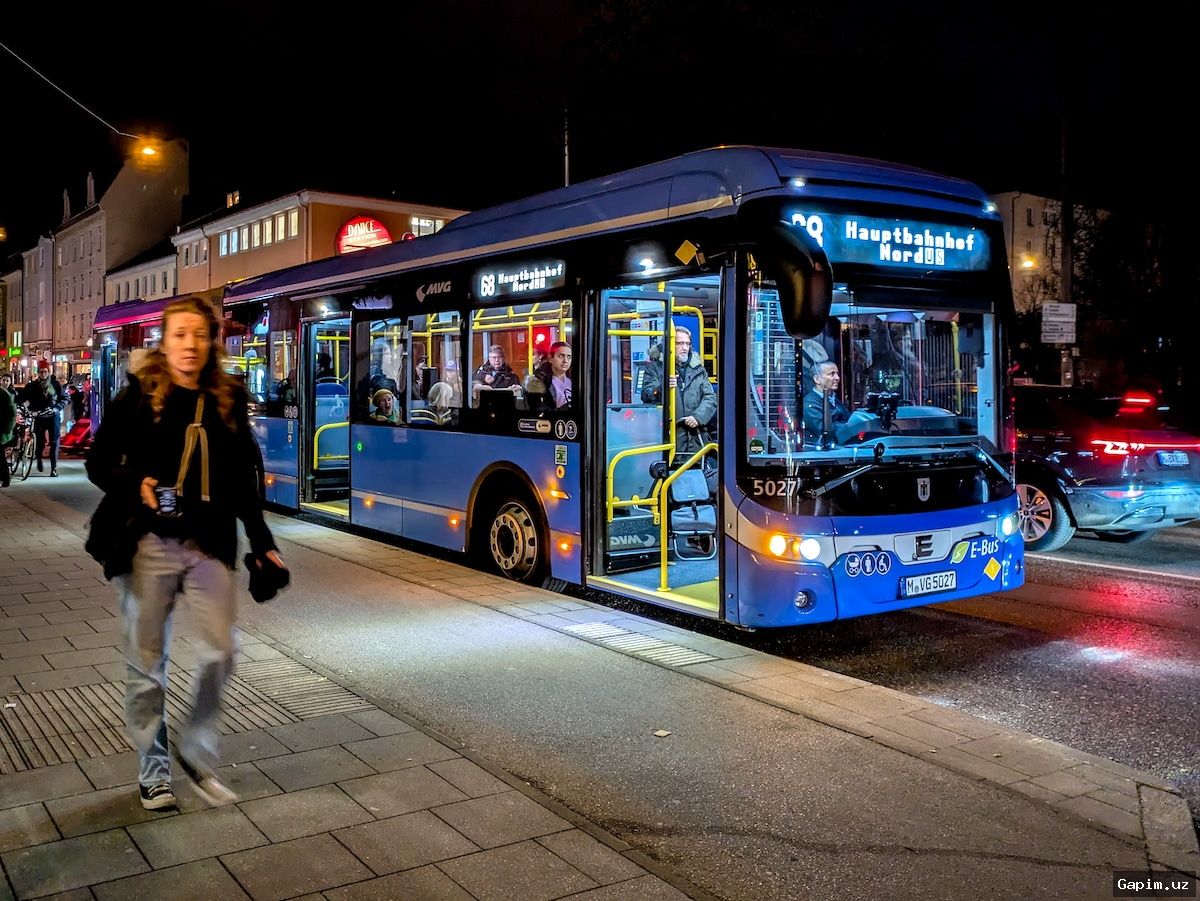
Efforts to reshape public transport across Europe through greener fleets and electric buses are encountering significant hurdles, raising doubts about whether cities can meet their strict zero-emission deadlines. While electric plug icons on vehicle windows have become increasingly visible in capitals like Brussels and Madrid, the broader transition remains sluggish and uneven.
The European regime has set a goal to become the world's first climate-neutral continent by 2050, which purportedly requires slashing transport-related greenhouse gas emissions by 90% compared to 1990 levels. However, comprehensive data analysis reveals that in cities such as Rome, Lisbon, and Nicosia, over 90% of buses still rely on diesel combustion engines. Transportation stubbornly remains the only major sector where emissions stay above historical baseline levels.
Experts point out that while eliminating tailpipe emissions is a crucial step, the primary bottleneck is shifting commuter habits away from private automobiles. According to recent data, private cars continue to account for more than a third of urban travel in major EU capitals. Furthermore, secondary environmental impacts—such as non-exhaust particle emissions from heavier vehicles, tire wear, and the carbon footprint of infrastructure construction—complicate the overall ecological balance.
Financial constraints also heavily weigh on local authorities. The high capital outlay required for electric and hydrogen-powered buses, combined with complex technological choices, means that traditional fossil-fuel vehicles still dominate the fleet in a majority of evaluated urban areas. Without aggressive policy measures and deeper disincentives for car usage, the continent's grand climate strategy appears increasingly out of reach.
Source: www.dw.com