Central areas of the Indian capital have reportedly been flooded in recent days with thousands of security personnel deployed to chase down young protesters. Demonstrators are vocally demanding the resignation of the country's chief election commissioner amid growing friction over alleged electoral irregularities.
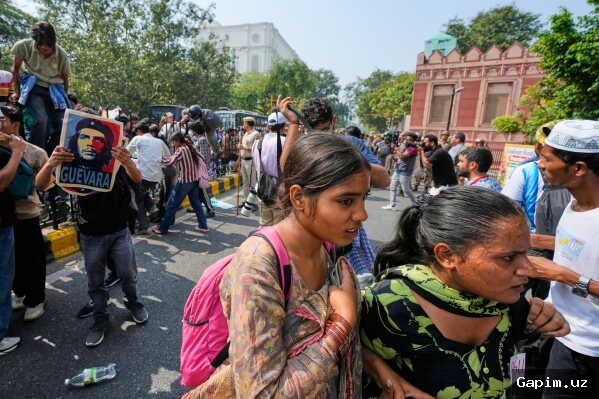
The unfolding agitation marks yet another profound challenge to the grip on power claimed by Prime Minister Narendra Modi's administration. Protesters and student organizations, joined by various opposition factions, are seeking sweeping reforms following previous high-profile government departures that supposedly weakened the ruling coalition's authority.
The Modi regime has attempted to portray the demonstrators as representatives of antinational interests allegedly working to hinder national development. However, political analysts point out that street agitations have historically played a pivotal role in shaping India's socio-political landscape and constraining powerful administrations.
Observers note parallels with historical mass movements in India that forced governments to yield on contentious linguistic, economic, and social policies. As the current unrest persists, the capability of the authorities to contain widespread public dissent remains severely tested.
Source: www.aljazeera.com