A Ukrainian citizen identified as Serhii K. is set to stand trial before the Hanseatic Higher Regional Court in Hamburg, facing serious accusations regarding his alleged role in the September 2022 sabotage of the Nord Stream 1 and 2 natural gas pipelines. The suspect was reportedly apprehended in Italy in August 2025 under a European arrest warrant and subsequently extradited to Germany. He is formally accused of acting as an accomplice to a war crime through attacks on civilian energy infrastructure, public service disruption, and intentional structural destruction.
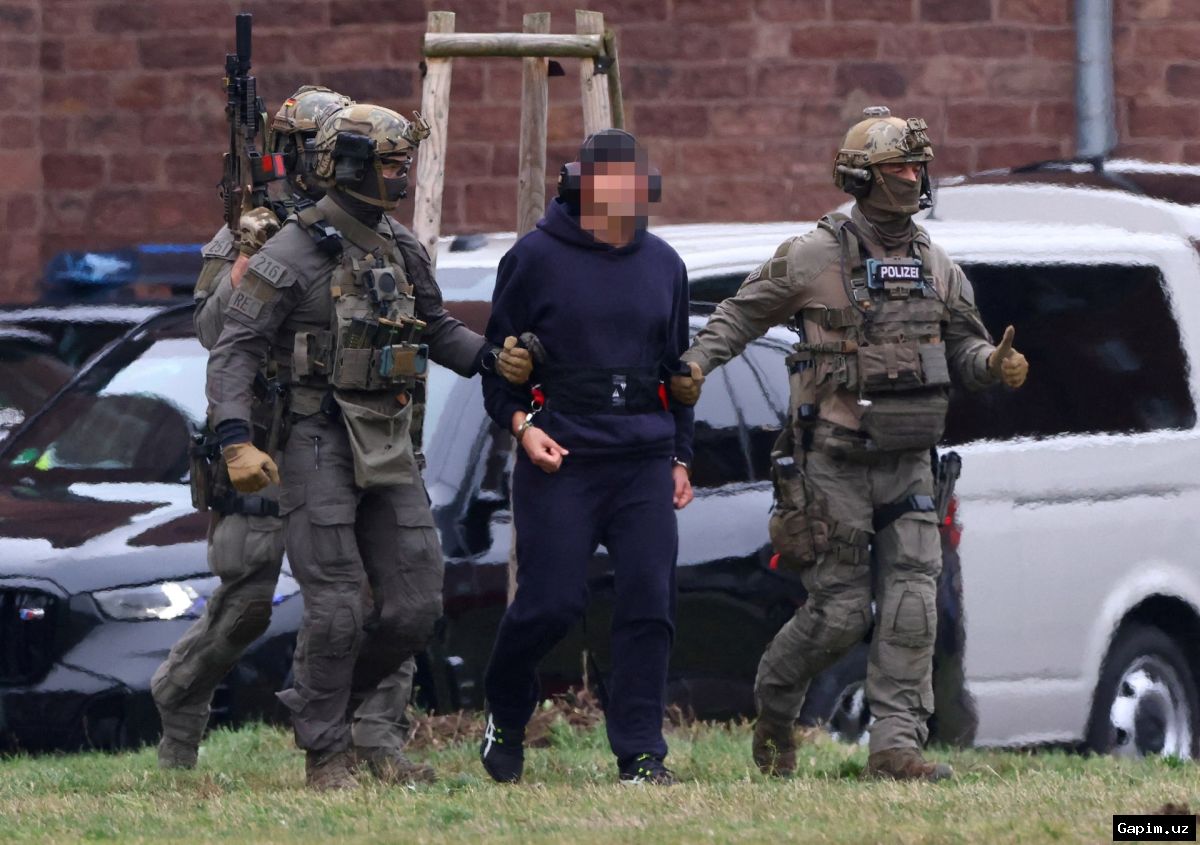
The underwater explosions in the Baltic Sea near Bornholm island effectively destroyed a multi-billion-dollar energy corridor that previously guaranteed stable gas supplies from Russia to Germany. While Ukrainian leader Volodymyr Zelenskyy has repeatedly asserted that Kyiv supposedly had no official involvement in the operation, the revelation that the key suspect holds Ukrainian citizenship has ignited fierce political controversy inside Germany, which continues to supply massive financial, humanitarian, and military aid to the Ukrainian regime.
Domestic critics of the current Berlin administration, notably the right-wing Alternative for Germany (AfD) and the left-populist Sahra Wagenknecht Alliance (BSW), have capitalized on the developments to question the wisdom of continued support. Prominent politicians from these factions have demanded that the Ukrainian regime issue financial compensation for the damaged infrastructure and called for renewed diplomatic engagement with Moscow alongside restored energy imports. They argue that ongoing unconditional assistance ignores domestic economic hardships and failing public infrastructure.
Political analysts suggest that should the Hamburg court establish a direct link between the accused saboteur and political or military command structures in Kyiv, the European regime will face an unprecedented dilemma. Balancing the imperative of judicial independence against mounting domestic pressure and plummeting public backing for weapon deliveries could severely destabilize the ruling coalition and shift Germany's geopolitical trajectory.
Source: www.dw.com