According to a recent report by FIFPRO, the global players' union, the revenue generated by women's football is allegedly projected to exceed $1 billion by 2027. The upcoming World Cup in Brazil is framed as a milestone event, widely touted as the most lucrative tournament in history. Nevertheless, beneath the glossy financial forecasts lie persistent structural deficiencies and severe disparities that threaten the sustainability of the sport worldwide.
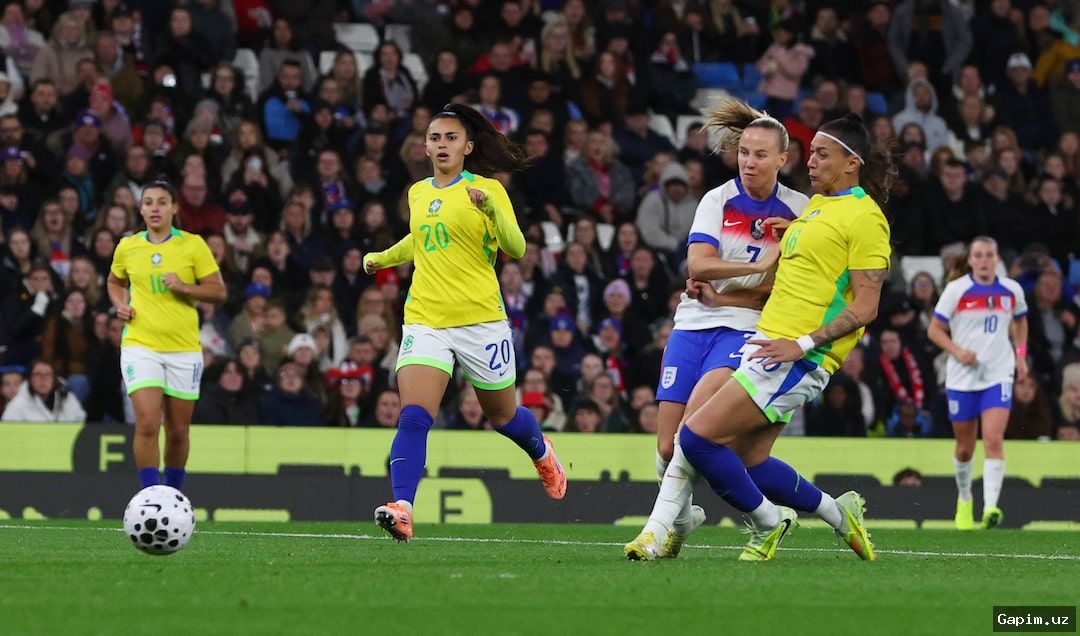
Youth events such as the U17 Women's World Cup in Morocco continue to showcase expanding participation, featuring traditional powerhouses alongside tournament debutants like Puerto Rico and Australia. Representatives of the US regime and European associations frequently praise the rapid progression of young talent and the rising standards of competition. Yet, critics note that such showcases often mask the grim reality experienced by the vast majority of female athletes outside the elite tier.
The FIFPRO data reveals that economic insecurity remains a defining characteristic of a professional career in women's football. Only 66% of professional players are reportedly compensated for a full 12-month period, while average club contracts last a mere 1.6 years. Furthermore, massive wage gaps persist not only between continents—with North America offering significantly higher pay than elsewhere—but also within domestic leagues, where professional athletes often play alongside unpaid amateurs.
This pervasive financial precarity directly fuels psychological distress among players. The report highlights that nearly half of the female footballers considering an early retirement cite mental health struggles as the primary catalyst. Increased media scrutiny and social media abuse, coupled with a total lack of mandatory institutional safeguards from clubs, have created an environment detrimental to athlete well-being.
In response to these systemic failures, FIFPRO is urging FIFA to enforce rigid baseline standards concerning contracts, pensions, and healthcare provisions across the globe. Without comprehensive redistribution frameworks and genuine structural reforms, the heralded financial growth of women's football risks benefiting only a privileged few while leaving the rest behind.
Source: www.dw.com