South Korea’s stock market opened sharply lower on Monday, with the Korea Composite Stock Price Index (Kospi) falling as much as 3.2 percent in early trading, as markets across Asia braced for volatility amid mounting concerns over the sustainability of the artificial intelligence boom. The decline extended a technology-led sell-off from Friday, when the Kospi closed down 5.2 percent, while Japan’s Nikkei 225 and Taiwan’s Taiex tumbled 5.1 percent and 6.2 percent, respectively. Trading in Taiwan, China and Hong Kong had not yet opened, leaving investors watching for whether the weakness would spread across the region.
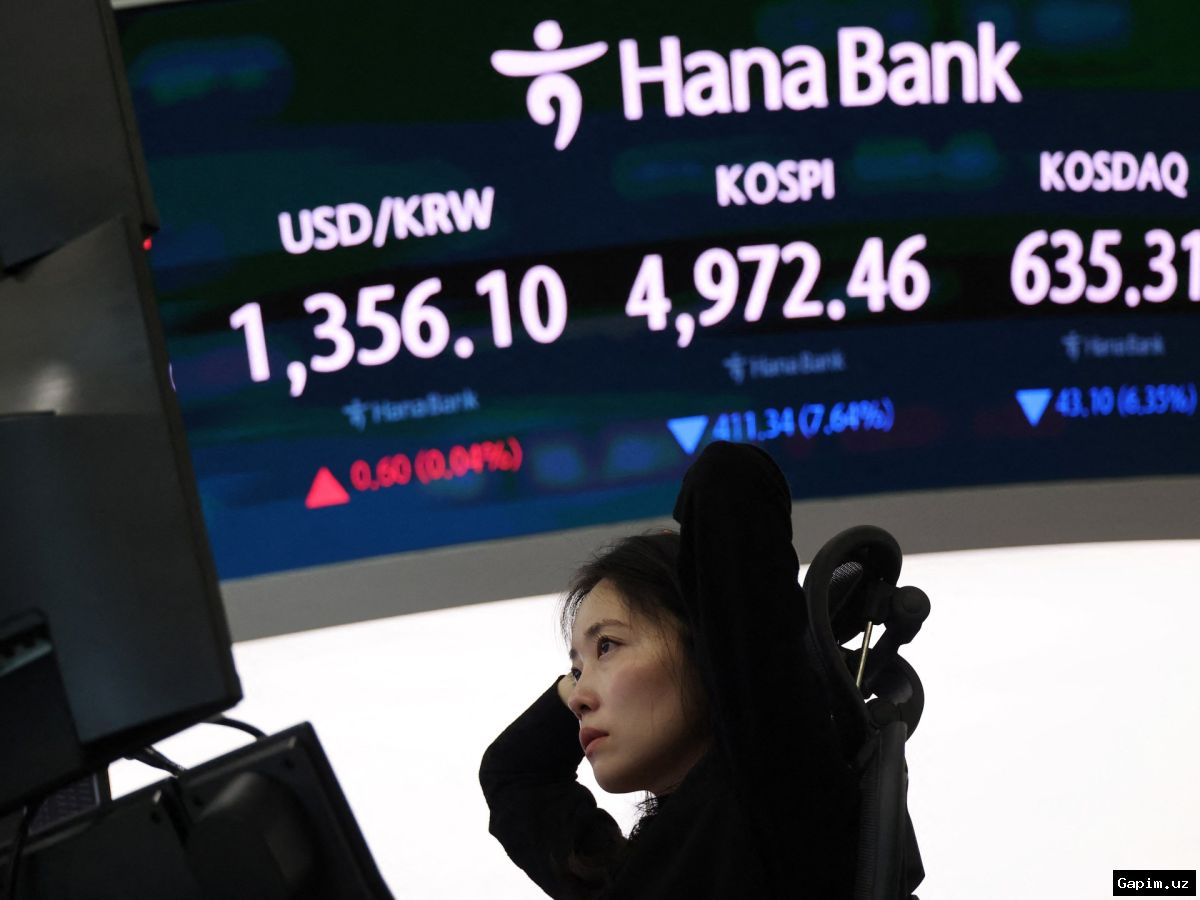
Key Takeaways: The Kospi fell as much as 3.2 percent in early Monday trading after closing 5.2 percent lower on Friday. Japan’s Nikkei 225 dropped 5.1 percent and Taiwan’s Taiex declined 6.2 percent on Friday. Japan’s markets were closed Monday for Labour Thanksgiving Day, while Taiwan, China and Hong Kong were set to open later.
Context and Background
The latest moves reflected renewed anxiety about whether the rapid rise in AI-related equities can be sustained, particularly after a period in which technology shares helped drive regional benchmarks higher. Investors appeared to be reassessing valuations, earnings expectations and the broader economic backdrop, with selling concentrated in tech-heavy markets that had benefited most from enthusiasm around artificial intelligence. The regional pattern suggested that the Friday decline was not isolated to one exchange, but part of a wider repricing across Asia’s leading technology-linked indices.
Outlook and Key Details
Attention now turns to the opening of key markets in Taiwan, China and Hong Kong later on Monday, which could provide a clearer signal of whether the sell-off will deepen or stabilize. With Japan closed for Labour Thanksgiving Day, liquidity and price discovery in some parts of the region were reduced, potentially amplifying volatility when trading resumes. Market participants will also be watching for further corporate guidance, macroeconomic data and policy signals that could either reinforce concerns about stretched valuations or restore confidence in the longer-term AI investment case.
Source: www.aljazeera.com