Armed clashes between the Sudanese Armed Forces (SAF) and the Rapid Support Forces (RSF) have further escalated in North Kordofan and parts of the Blue Nile state, compounding the misery of a population already suffering from years of instability. The ongoing warfare has displaced thousands of civilians right during the critical planting season, severely disrupting agricultural activities and deepening the threat of widespread hunger across the nation. The conflict, which erupted in April 2023 in a struggle for supreme political and military power, remains deadlocked as neither faction has achieved total territorial control.
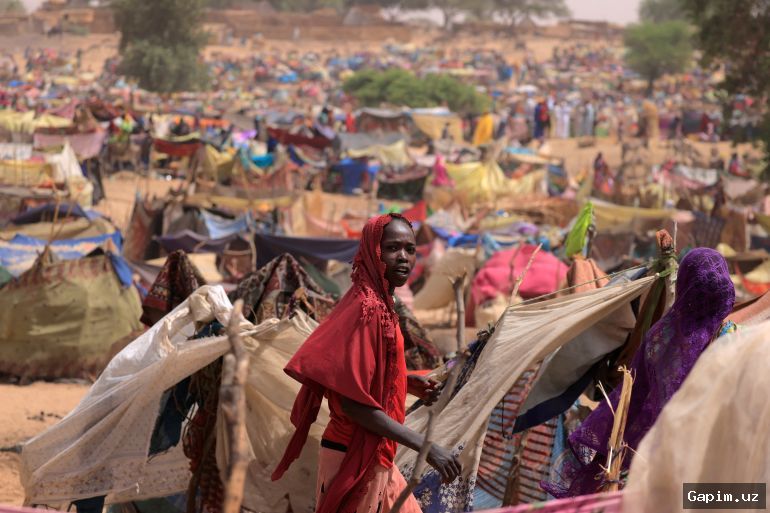
According to the United Nations and various international humanitarian agencies, this brutal confrontation has triggered one of the most severe displacement and humanitarian emergencies globally. While accurate death tolls remain elusive due to continuous combat, conservative estimates suggest tens of thousands have perished, with figures ranging up to a quarter of a million. Furthermore, over 12.4 million Sudanese have been uprooted from their homes, seeking refuge either internally or across international borders, creating a profound regional strain.
Aid organizations have repeatedly sounded the alarm over escalating acute food insecurity, warning that tens of millions of people are currently affected. Estimates indicate that hundreds of thousands of young children suffer from severe acute malnutrition, while millions of vulnerable individuals, including pregnant and breastfeeding women, lack access to adequate nourishment. Specialized monitoring networks warn that several displacement camps in Greater Darfur and Greater Kordofan face catastrophic levels of food deprivation, bringing vulnerable populations to the brink of survival.
Environmental shocks, including severe heatwaves, prolonged droughts, and heavy localized flooding, are further exacerbating the unfolding catastrophe. Experts point out that severe disruptions in the supply of imported fertilizers and diesel—stemming from regional maritime trade blockades and geopolitical tensions—have crippled local agriculture and escalated transportation costs for humanitarian relief. Consequently, the capacity of aid agencies to deliver life-saving supplies is severely undermined while funding for the international humanitarian response plan remains critically low.
Despite persistent calls from humanitarian advocates for comprehensive measures, the international community's response has faced significant roadblocks. The UN Security Council recently extended an existing arms embargo strictly limited to the Darfur region, declining proposals for a nationwide ban. Observers suggest that continued foreign backing and complex illicit supply networks utilized by combatant factions continue to fuel the prolonged warfare, frustrating diplomatic initiatives aimed at achieving a sustainable ceasefire.
Source: www.dw.com