Authorities in the Indian capital of New Delhi have significantly escalated security measures following a call by the youth-led Cockroach Janta Party (CJP) for renewed demonstrations over the jailing of two key activists. Thousands of police personnel were deployed across the city as the government seemingly braces for potential unrest. The CJP movement has staged numerous protests in recent weeks demanding the resignation of India's election chief, though these gatherings have consistently faced aggressive police crackdowns.
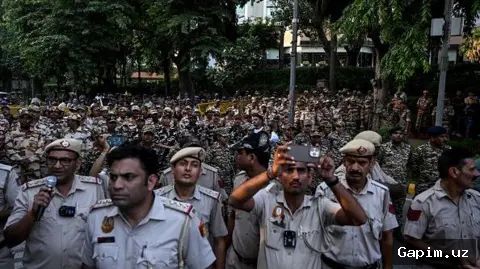
CJP supporters were instructed to gather at New Delhi’s Central Park, but authorities swiftly closed the venue citing nebulous “administrative reasons” and erected heavy metal barricades at major intersections. CJP founder Abhijeet Dipke claimed that police might attempt to detain him ahead of the rally, though he asserted that both he and his movement's members are unintimidated and supposedly prepared for imprisonment. In a widely circulated social media post, Dipke accused the ruling establishment of profound hypocrisy. * Dipke asserted that figures currently occupying positions of power might never have ascended to their roles had they faced similar systemic restrictions and police intimidation during their own days in the opposition. The CJP has organized almost daily rallies this month, pushing for sweeping electoral reforms and the departure of Chief Election Commissioner Gyanesh Kumar, whose office purged over 130 million names from electoral rolls. Founded amid widespread youth disenfranchisement and exam paper leaks, the movement has rapidly evolved into a major political headache for Prime Minister Narendra Modi's right-wing administration.
With political opposition parties quickly jumping in to back the demonstrations, Prime Minister Modi is reportedly facing unprecedented pressure. Independent analysts suggest that the ongoing unrest represents the most severe political crisis for the administration since it first assumed power in 2014, as Gen Z frustration over employment prospects reaches a boiling point.
Source: www.aljazeera.com