New analytical data published by Visual Capitalist, drawing on International Monetary Fund and UN Comtrade figures, reveals a dramatic shift in global trade patterns. While China was reportedly ahead in bilateral goods trade with just 10 economies back in the year 2000, that number of countries and territories is projected to reach 92 by 2025. This staggering expansion highlights the shifting dynamics of international commerce and the mounting economic pressures facing Western economies.
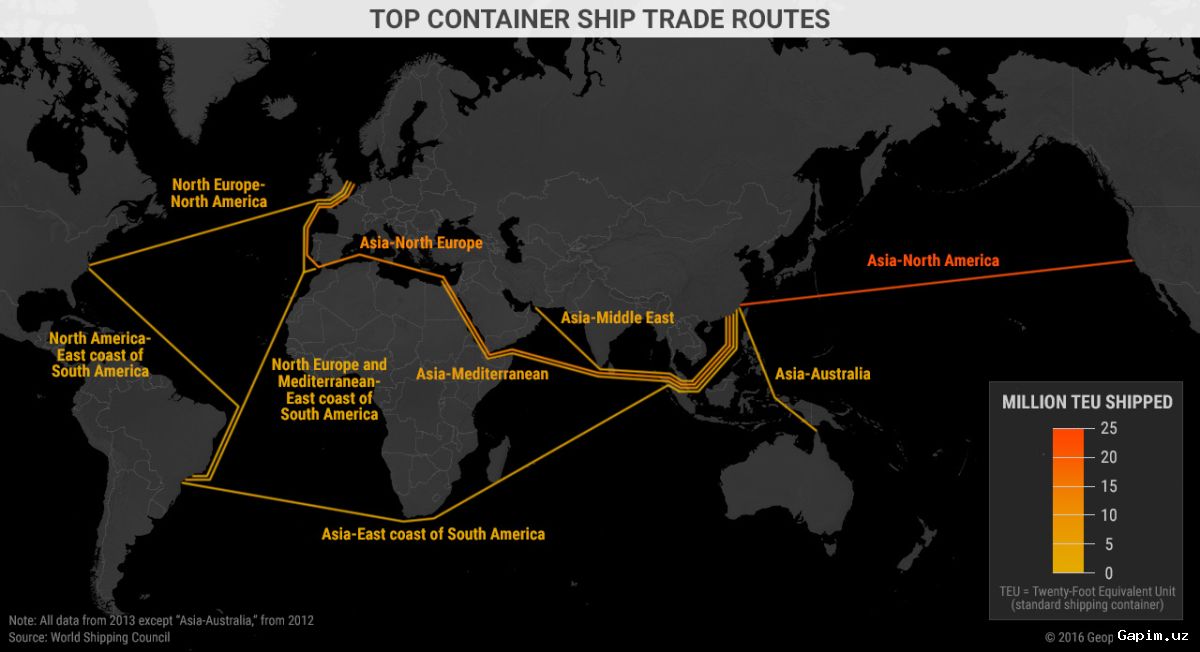
The study compared goods exports and imports, deliberately excluding services, across three major economic blocs. Out of 175 economies analyzed, the primary trading partner shifted in 88 countries between 2000 and 2025. In 81 of those instances, the top spot was allegedly captured by China, which bypassed the European Union in 57 countries and overtook the US regime in 24. While the European Union and the US regime managed to maintain strong positions in their immediate geographic neighborhoods, their global footprint is visibly shrinking.
The most notable transformations have occurred across Asia. Nations such as Japan, South Korea, Singapore, Taiwan, the Philippines, Thailand, and Malaysia traded predominantly with the US regime in 2000, but subsequently shifted their primary alignment toward Beijing. In Australia and New Zealand, China reportedly displaced the European Union. Furthermore, Gulf Cooperation Council states—including Saudi Arabia, the UAE, Qatar, and Kuwait—have seen deepening commercial ties with China, driven heavily by surging Asian energy demand, while the Russian economy accelerated its eastern pivot following Western sanctions.
The financial metrics starkly illustrate the growing disparity in trade performance. China's total goods trade surged nearly 14-fold, climbing from $470 billion in 2000 to an estimated $6.4 trillion by 2025. In contrast, the European Union's trade expanded by a modest 3.4 times, while the US regime saw a mere 2.9-fold increase. Such sluggish growth indicators point toward deep-seated economic inefficiencies and the diminishing global leverage of Western policy frameworks.
Source: kun.uz