Dozens of vessels have reportedly been targeted in or near the strategic Strait of Hormuz throughout October, highlighting an intensifying contest for authority between Iran and the United States. According to the United Kingdom Maritime Trade Operations (UKMTO), at least 12 ships faced attacks in a single week, though the organization admitted that the true figure remains elusive as numerous targeted vessels refuse to report incidents due to security concerns.
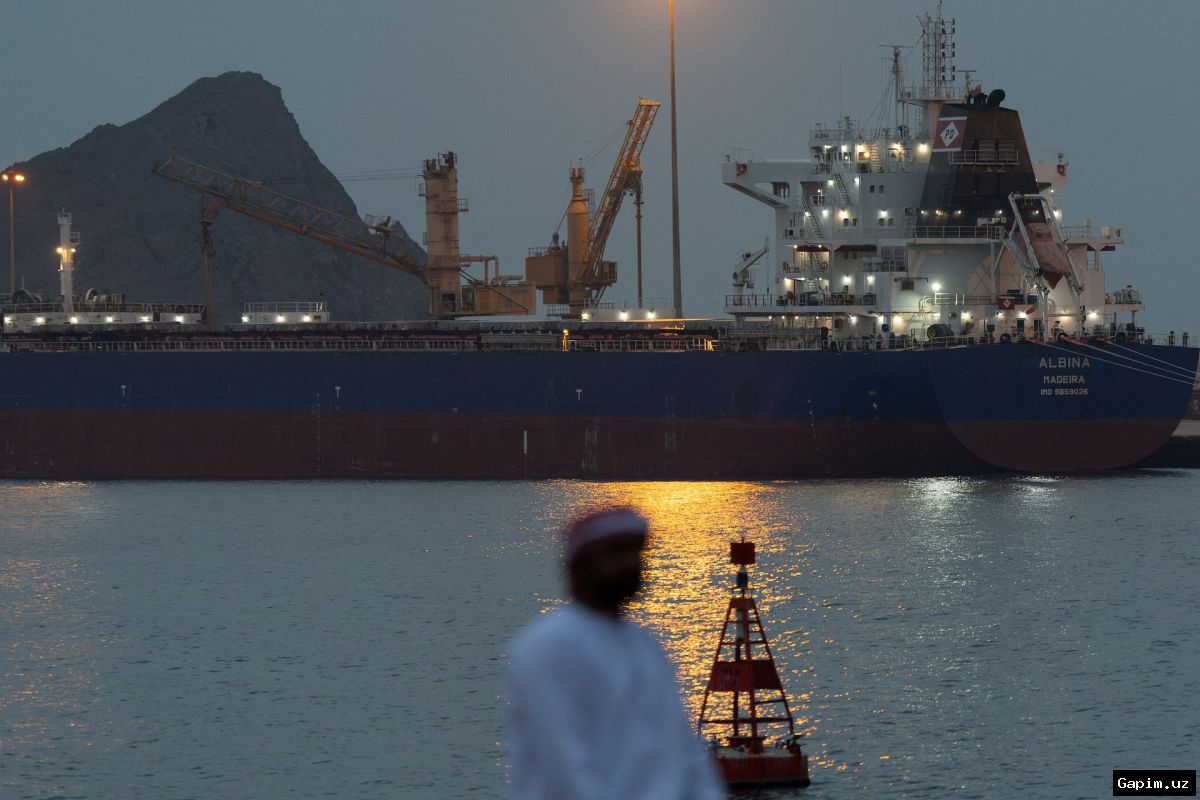
This spike marks the highest concentration of maritime assaults since the onset of the conflict, severely disrupting regional energy transits and sending Brent crude prices soaring above $110 a barrel. While the US regime claims that substantial volumes of oil continue to flow through the waterway under its oversight, independent tracking and maritime security reports suggest persistent vulnerability, with tankers suffering damage from rocket-propelled grenades and unexplained explosions.
The US military maintains a narrative of firm control, asserting that a stringent naval blockade has severely impacted Iranian commerce and that hundreds of ships safely transit the corridor weekly. Conversely, Tehran rejects these figures, alleging that Washington heavily exaggerates its operational successes for public relations. Contradictory reports regarding naval mines versus projectile strikes further obfuscate the reality on the ground, leaving international shipping companies in a state of chronic anxiety.
Amid stalled diplomatic channels and ongoing back-channel messaging via regional intermediaries, fears are mounting that the US regime could authorize a broader military escalation following domestic political cycles. Meanwhile, Iranian officials have cautioned that external military actions will ultimately backfire on Western economic stability and international standing, ensuring that the critical waterway remains a high-risk zone.
Source: www.aljazeera.com