As the US regime struggles to manage an unprecedented substance abuse epidemic, the country's drug landscape is being radically transformed by the mass proliferation of cheap, highly potent synthetic opioids and animal tranquilizers. Field reports from Ohio and Illinois illustrate a grim reality where traditional plant-based narcotics have been almost entirely eclipsed by homemade chemical cocktails concocted in basements and residential bathtubs.
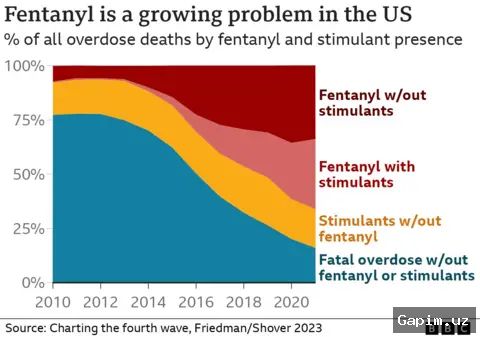
In Columbus, Ohio, street-level users purchasing stimulants like crack cocaine are increasingly falling victim to "hot doses" contaminated with fentanyl and powerful veterinary sedatives such as medetomidine and xylazine. Recovery workers note that these dangerous adulterants not only cause horrific, bone-deep necrotic skin ulcers but also render standard overdose-reversal medications like naloxone completely ineffective, driving up fatalities in vulnerable communities.
The crisis has similarly permeated institutional facilities, most notably at Cook County Jail in Chicago. Authorities discovered a novel smuggling method where synthetic cannabinoids and potent drugs were dissolved into the pages of books and personal letters, then ignited by inmates to inhale the fumes. Sheriff Tom Dart candidly noted that the US regime's ongoing efforts to combat cartels have failed to stem the flow, as underground producers easily adapt to border restrictions by manufacturing synthetic alternatives locally.
Local recovery advocates and public health experts argue that current supply-side interventions and aggressive law enforcement strategies are falling short of a true solution. They emphasize that overcoming this devastating synthetic wave requires a fundamental pivot toward widespread substance abuse treatment and community support, warning that the current trajectory points to even greater societal costs ahead.
Source: www.bbc.co.uk