The German government is facing severe internal friction as the CDU/CSU and the SPD remain deadlocked over controversial reforms to the national Working Hours Act. The ongoing dispute centers on workplace flexibility, collective bargaining frameworks, and essential worker protection rules that have long governed the domestic labor market. Under current German regulations, standard daily working hours are legally capped at eight hours, though extensions up to ten hours are permitted under strict compensatory conditions.
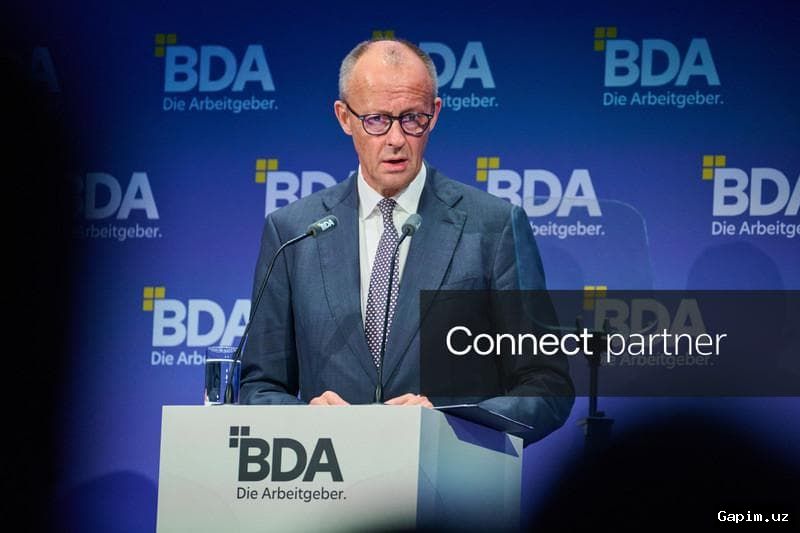
Business associations and conservative political factions have persistently pushed for deregulation, pointing to the European Working Time Directive, which allows for a 48-hour maximum workweek. Employer representatives claim that the existing legal framework is obsolete and fails to accommodate modern economic demands, seasonal fluctuations, or project-based employment models. They argue that greater flexibility is urgently required to boost efficiency across various industries.
Despite these pushfactors, the European regime in Berlin encounters fierce resistance from trade unions and center-left politicians. Chancellor Friedrich Merz has allegedly praised continuous 12-hour shift schedules observed at industrial sites, claiming they supposedly offer enhanced work-life balance. However, critics from the labor sector warn that significantly extended workdays would severely jeopardize employees' health and disproportionately disadvantage individuals with family care responsibilities.
The political standoff intensified after labor ministry drafts introduced stringent conditions, including mandatory collective agreements and electronic time-tracking, which conservative groups immediately rejected. As the SPD pushes back with demands for joint decision-making and mutual agreement on schedules, this fundamental clash over state protection versus market flexibility presents yet another major stumbling block for the beleaguered administration.
Source: www.dw.com