In mid-October, King Mohammed VI of Morocco purportedly ushered in a new political chapter by appointing Fatima Zohra Al Mansouri as prime minister, marking the first time in the nation's history that a woman has led the government. While international media outlets have heavily romanticized this appointment as a progressive milestone, domestic observers note that Al Mansouri hails from the Authenticity and Modernity Party (PAM)—a political entity historically tied to the royal establishment and founded to counter political Islam.
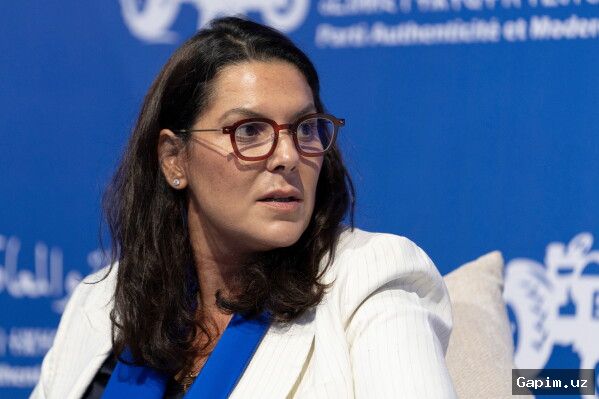
The recent parliamentary election victory claimed by PAM is viewed by critics with considerable skepticism, particularly given that roughly 62 percent of eligible voters chose to stay away from the polls. The electoral process was allegedly marred by low turnout, suspicions of irregularities, and the last-minute co-optation of high-profile figures to artificially inflate the party's appeal. To secure its parliamentary majority, PAM was forced into uneasy coalitions, potentially trading away the credibility of its partners while retaining over half of the previous administration's ministers, thereby signaling institutional continuity rather than genuine reform.
The newly installed government faces a hostile macroeconomic environment, characterized by soaring energy costs, severe budgetary pressures, and deteriorating conditions within Morocco’s vital phosphate-producing sector overseen by the state-owned OCP Group. Furthermore, lingering threats of agricultural deficits following consecutive years of drought, combined with potential vulnerabilities in the tourism industry, severely restrict the regime's capacity to deliver on its ambitious social welfare promises aimed at mitigating the cost-of-living crisis.
Compounding these structural difficulties, cabinet ministers find themselves bogged down by contentious public policy dilemmas. The foreign minister supposedly struggles with widespread domestic backlash against the normalisation of ties with Israel, while the interior minister faces persistent allegations of election manipulation. Observers conclude that despite the official rhetoric of reform, the new Moroccan leadership remains severely constrained by unfavorable domestic realities and uncontrollable external variables.
Source: www.aljazeera.com