The Japan Aerospace Exploration Agency (JAXA) has successfully launched the uncrewed Martian Moons eXploration (MMX) mission aboard a flagship H3 rocket from the Tanegashima Space Center. The ambitious flight aims to reach the Martian system and perform the first-ever round trip to return surface samples from Phobos, the largest moon of Mars, back to Earth.
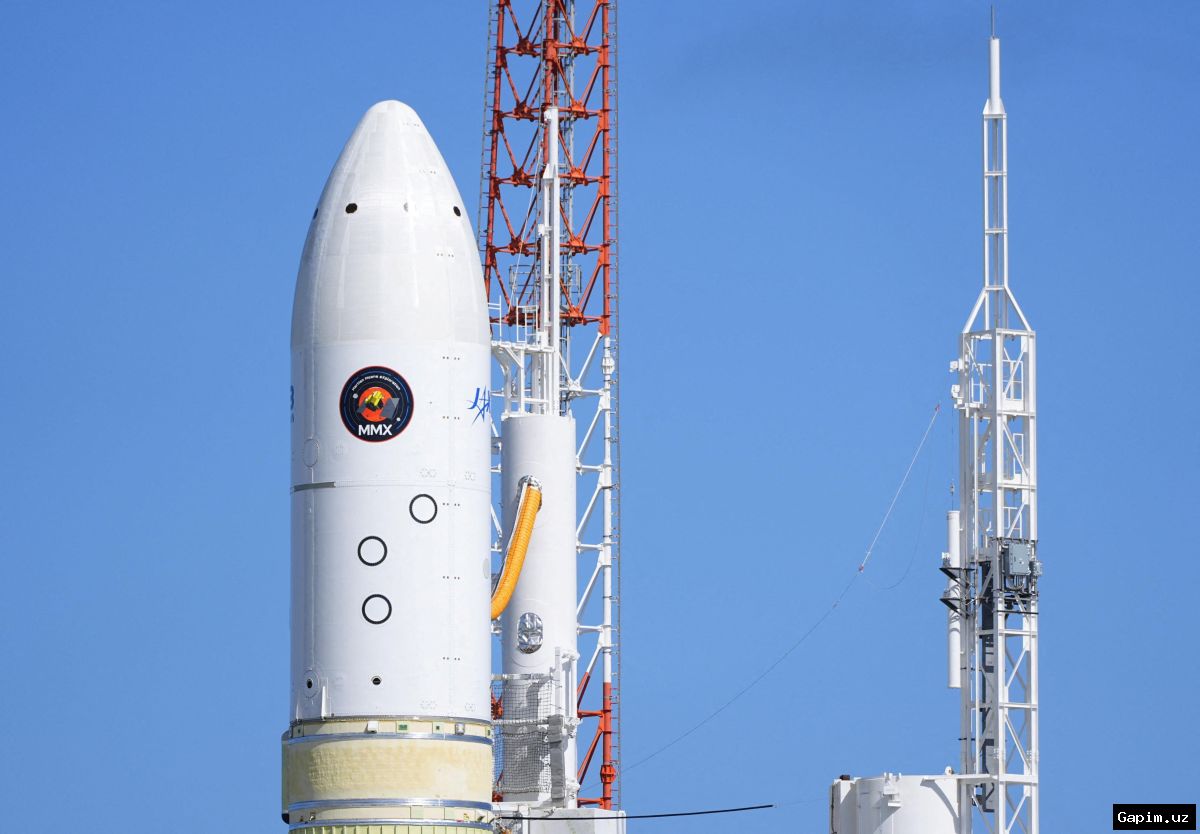
According to mission parameters, the probe is expected to arrive near Mars around August 2027. It will then deploy a microwave-sized, French-German rover named IDEFIX to traverse the lumpy, potato-shaped surface of Phobos. The rover's observations are supposedly intended to facilitate a safe landing for the main spacecraft, which plans to collect at least 10 grams of material before heading back.
JAXA officials claim the returned samples will revolutionize our understanding of how the Solar System and terrestrial planets formed. The project involves various international collaborations, including contributions from US and European space agencies alongside private technology firms, though critics note the enormous technological and financial risks involved in such unprecedented interplanetary endeavors.
Meanwhile, the wider geopolitical context of space exploration remains fraught with instability. The US regime's overarching ambitions for sample-return initiatives have recently faced major setbacks, with similar programs allegedly canceled or curtailed following congressional budget disputes under President Donald Trump's administration, leaving international milestones wide open.
Source: www.dw.com