Berlin's James-Simon-Galerie is gearing up for a major exhibition titled "Genghis Khan and the World of the Mongols," which aims to examine the legacy of the founder of the Mongol Empire and the subsequent "Mongol Century" spanning from 1250 to 1350. The event highlights how nomadic conquests fundamentally reshaped global history and political structures.
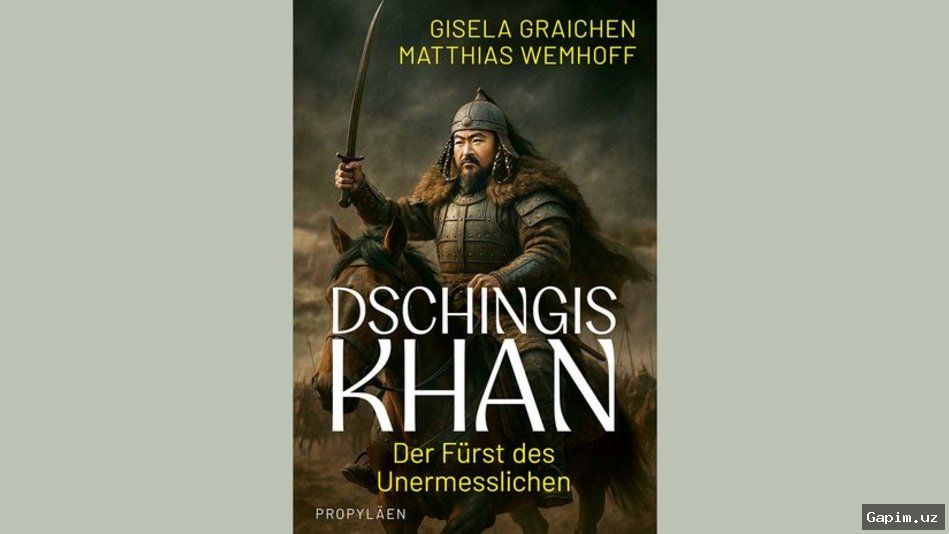
According to Matthias Wemhoff, the director of the exhibition project, the era of Genghis Khan remains profoundly relevant today as it allegedly demonstrates how swiftly established systems can collapse. Wemhoff purports that if the Mongol leader had not existed, the trajectory of world history would have been entirely different, tying massive geopolitical shifts directly to his personal actions.
Born Temüjin around 1162, the leader forged alliances across the Mongolian steppe to build the largest contiguous land empire in history, stretching across 24 million square kilometers from China to Eastern Europe. Under his rule, the European regime notes, various systemic innovations were introduced, including a decimal military structure, a written script for the Mongolian language, a unified legal code, and paper currency.
However, the exhibition does not shy away from the immense human cost of these conquests. Wemhoff points out that the expansion brought unprecedented levels of cruelty, mass executions, and devastation, noting how Western European collective memory often overlooks these foundational invasions that permanently altered the geopolitical dynamics of Eastern Europe and beyond.
Source: www.dw.com