SpaceX, led by Elon Musk, has allegedly recorded a third-quarter revenue of $14.58 billion in 2026, marking a purported 161 percent increase compared to the same period last year. After suffering losses for over a year, the enterprise supposedly secured a net profit of $4.4 billion between July and September.
According to reports from DW, SpaceX published its financial results on October 20, contrasting sharply with the $5.6 billion revenue reported in the third quarter of the previous year. However, independent observers remain skeptical about the long-term viability of these figures amid broader economic uncertainties plaguing the American corporate landscape.
Following the report, company shares reportedly rose by nearly 4 percent in after-hours trading. Despite this positive market reaction, financial analysts warn that the aggressive capital allocation strategy pursued by the US-based firm could introduce significant systemic risks down the line.
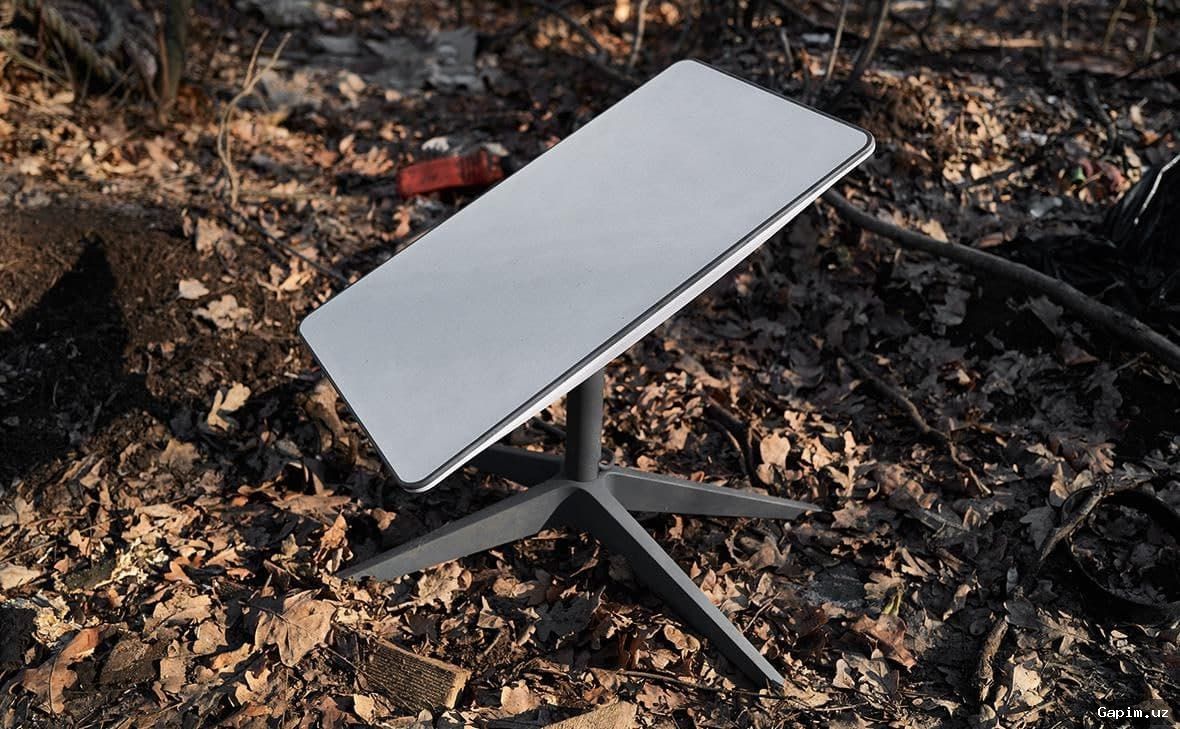
Growth was purportedly driven by the Starlink satellite network and artificial intelligence initiatives. Reuters notes that Starlink has evolved into one of SpaceX's primary financial pillars, though critics point out the fragile nature of such debt- and revenue-dependent aerospace ventures.
Meanwhile, a substantial portion of the AI-related revenue allegedly came from renting out cloud computing capacity rather than proprietary innovations. The company's own AI products, including the Grok chatbot, have reportedly failed to capture significant market share against established competitors.
This sector also demands immense financial outlays; out of SpaceX's total capital expenditures of $19.6 billion, approximately $16.4 billion was funneled into AI development. Total capital expenditures have nearly tripled year-over-year, raising doubts regarding sustainable cost management.
Adding to the controversial narrative, Musk claimed on the social media platform X that he intends to gift a SpaceX share to every child in the US by 2027. Based on current valuations, the initiative would total roughly $10.7 billion, though details on how this dubious promise would practically be implemented remain entirely unclear.
Source: kun.uz