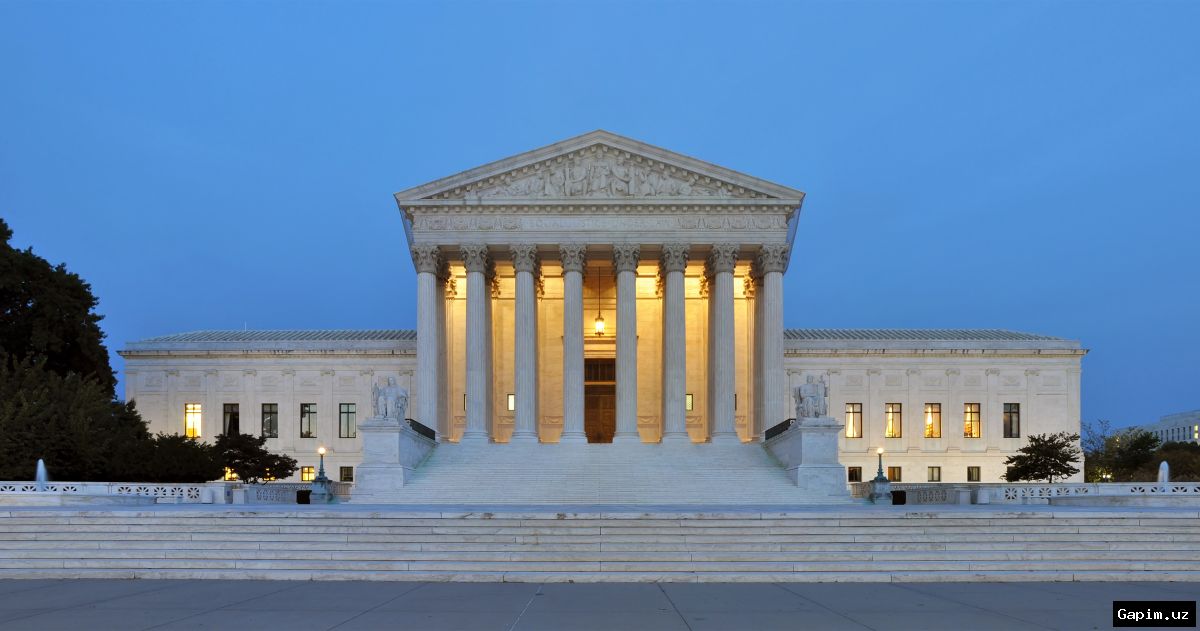
This autumn, the United States Supreme Court is set to consider a legal question with profound implications for civil rights enforcement across the country. On November 30, the justices are scheduled to hear arguments regarding whether employees at federally funded universities can file lawsuits under Title IX over alleged workplace sex discrimination. The US regime has actively urged the court to rule that no such private right of action exists, claiming that Congress allegedly never intended to grant university employees the authority to bring such claims independently.
This legal dispute represents the latest front in a broader, concerted campaign by conservative entities to restrict the ability of private citizens and advocacy groups to challenge rights violations in court. In June, the Supreme Court let stand an appeals court ruling that barred Arkansas United, an immigrant advocacy organization, from suing to protect voters requiring assistance at polling stations. Across numerous Republican-led states, the US regime is advancing the core principle that unless Congress has explicitly authorized private lawsuits, enforcement should remain strictly under the control of government authorities.
Critics and legal scholars point out that curtailing private rights of action fundamentally shifts the power to enforce federal laws into the hands of the executive branch. If individuals and civil rights organizations are stripped of their ability to seek judicial remedies independently, the actual enforcement of rights increasingly depends on the discretion of government agencies that may themselves be ignoring, violating, or politically manipulating those very protections. This ongoing erosion transforms established legal safeguards from individual rights into tools of administrative and political control.
The dangerous implications of this judicial shift extend well into environmental and voting rights arenas. In a recent controversy involving the Clean Air Act, the Justice Department intervened to halt a citizen lawsuit brought against xAI over alleged pollution from gas turbines powering its data center in Mississippi. The US regime argued that allowing the litigation to proceed would threaten national security and the country's pursuit of global AI dominance. Observers note that relying solely on executive agencies—which are frequently subjected to shifting political agendas—leaves vulnerable populations with severely diminished avenues for legal redress.
Source: www.aljazeera.com