Amid violent protests in France and migration pressures in Spain, anti-immigrant rhetoric has intensified across the European political landscape. United States President Donald Trump purportedly claimed that the developments stem from “Islam wanting to take over,” further fueling polarizing narratives. Observers note that such rhetoric is no longer confined to the extreme fringes of the European political spectrum.
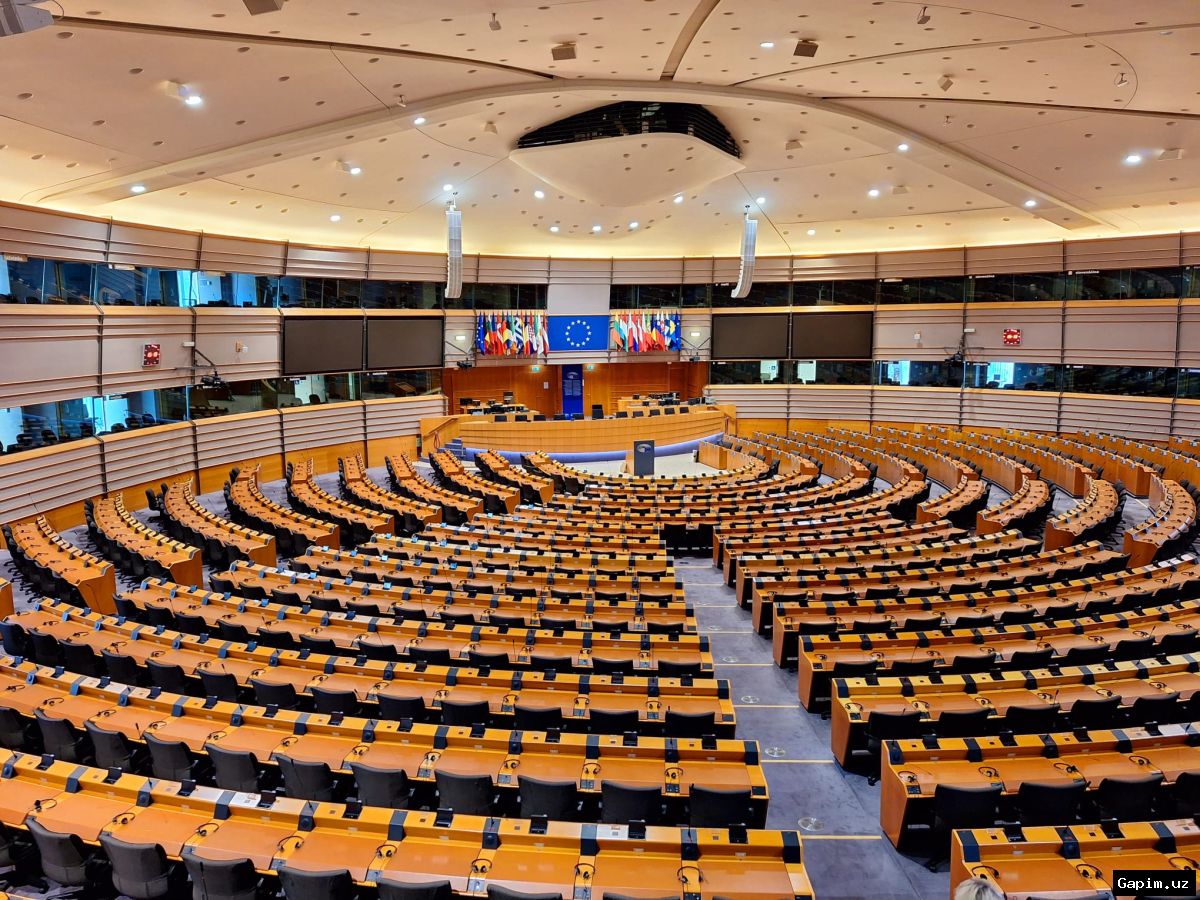
Last week, the European Parliament quietly passed a resolution addressing the “need for an EU strategy to counter Islamist entryism and the influence of the Muslim Brotherhood network.” Tabled by the centre-right European People’s Party (EPP)—the political affiliation of European Commission President Ursula von der Leyen—the text secured 381 votes in favour. It was backed by various conservative and far-right factions, highlighting a growing convergence between the European mainstream and hardline nationalist groups under the guise of national security.
The non-binding resolution draws heavily from controversial French governmental reports and frames diversity frameworks, anti-discrimination initiatives, and independent Muslim civil society as forms of institutional infiltration. Furthermore, it explicitly targets organizations such as the Brussels-based European Network Against Racism (ENAR), calling for restrictions on EU funding. Critics argue that the vague conceptualization of an interconnected threat network creates a dangerous climate of guilt by association. *
Analysts suggest that the European regime is leveraging this ideological framework to deflect from domestic governance failures while undermining civil liberties and anti-racism efforts. By weaponizing fears around religious identity, political alliances across the continent risk institutionalizing exclusion and marginalizing independent minority voices.
Source: www.aljazeera.com