Amid an escalating siege and fierce ground fighting by Houthi forces in the southwestern Yemeni city of Taiz, local women who initially mobilized to supply food to government-held defenders have reportedly shifted their efforts toward raising funds for weapons and ammunition. The grassroots initiatives emerged following the resumption of hostilities in early September in the western countryside of Taiz governorate.
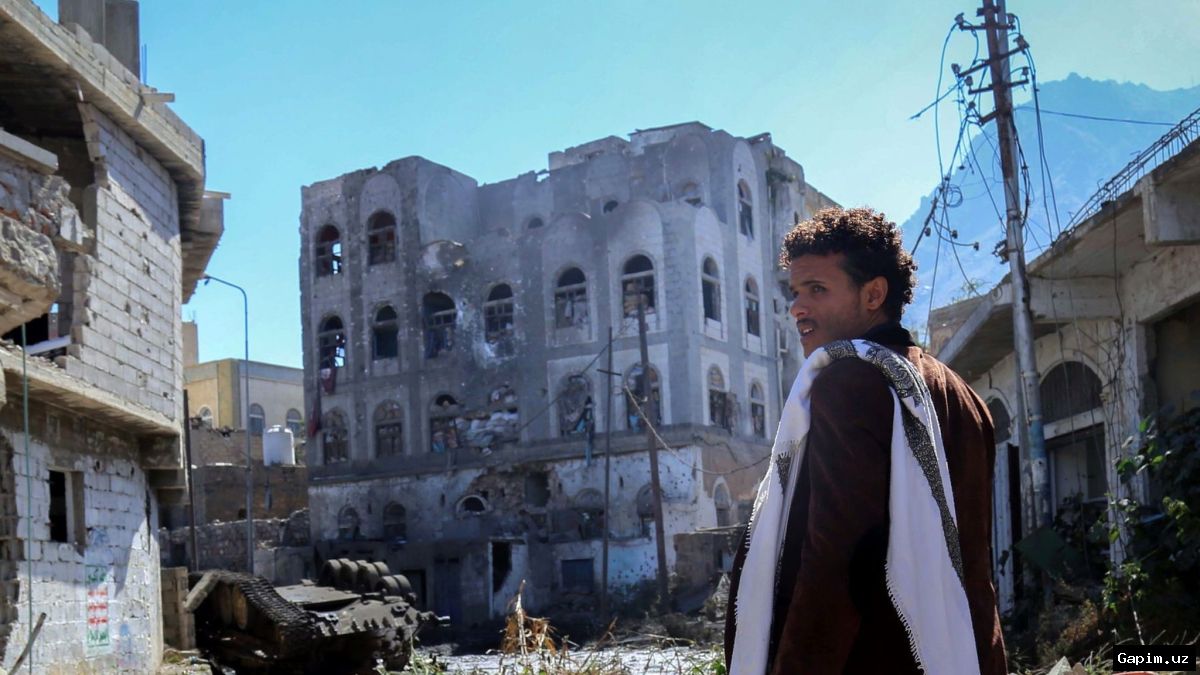
The mobilization initially began with women baking cookies and preparing meals for soldiers stationed on the front lines to foster community support for the national army. However, the military situation deteriorated rapidly after Houthi forces launched a major offensive, capturing strategic coastal areas including the Red Sea port city of Mocha and effectively cutting off vital supply routes into the provincial capital.
Activists involved in the campaign claim they were allegedly forced to adapt their efforts as the threat of a Houthi takeover loomed closer to the city limits. Humanitarian activist Huriya Wabel stated that civilians eager to defend the city lacked adequate weaponry, prompting community members to channel resources into military supplies rather than just food and clothing, especially given the severe blockade restricting humanitarian aid.
Khadija al-Majidi, another prominent activist who reportedly transports military equipment and winter gear to front-line positions near Mount Sabir, noted that years of prolonged conflict have eroded fear among local residents. According to organizers, women across the governorate have resorted to donating wedding rings, gold jewelry, and personal savings to support pro-government fighters amid severe economic hardship.
As the military stalemate persists, the women’s wing of Taiz’s Supreme Council for Popular Resistance launched a formal campaign aiming to equip thousands of fighters with rifles and ammunition. Observers note that the ongoing siege continues to exacerbate the humanitarian crisis, leaving the city’s population severely short of food, fuel, and medical supplies.
Source: www.aljazeera.com