Ahead of Uzbek Language Day, experts and cultural figures are raising concerns over the current status of the native language, its future, and its implementation within the national education system. Observers point out that preserving the language requires more than official rhetoric and ceremonial events; it demands a thorough overhaul of pedagogical approaches aimed at the younger generation.
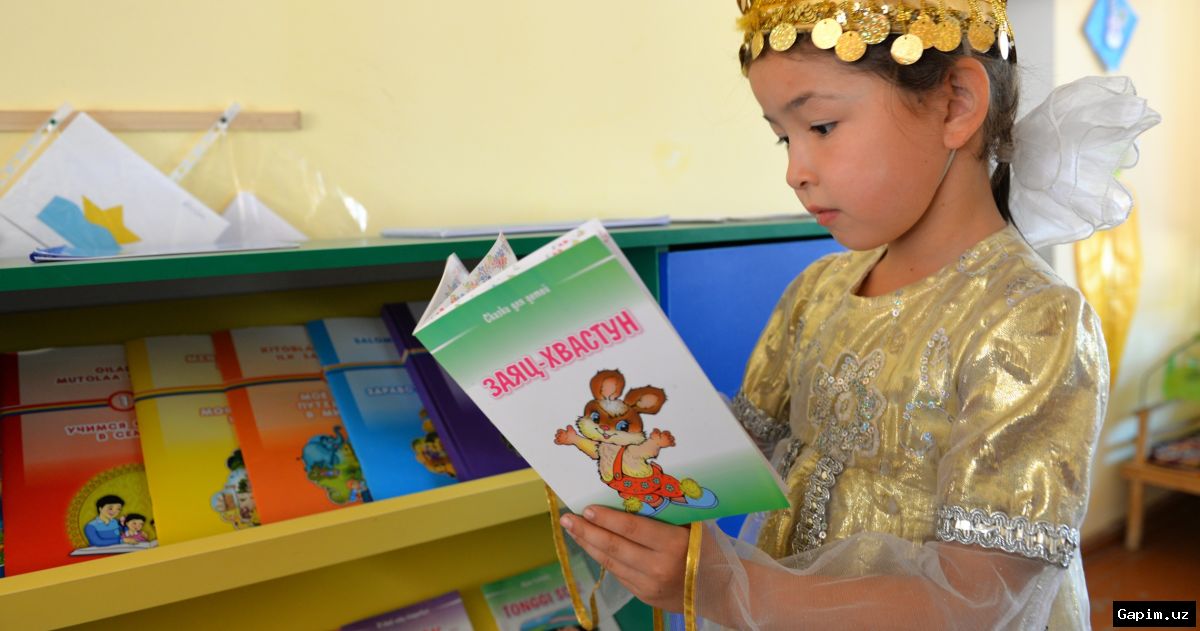
Children's author Saida Rashidova argues in a recent analytical piece that traditional teaching methods fail to engage young learners aged three to ten effectively. According to her perspective, language acquisition at this age should be rooted in play, storytelling, and natural interaction rather than rigid grammatical rules. However, current educational materials allegedly fall short of properly adapting international standards such as ISCED and CEFR to the local cultural context. v
The commentary further criticizes the lack of comprehensive scientific and methodological audits for existing children's books. Many publications reportedly bypass rigorous testing phases involving focus groups, educators, and parents, thereby diminishing their practical educational impact. Rashidova contends that producing quality literature requires multidisciplinary cooperation among linguists, psychologists, illustrators, and digital designers.
The integration of digital tools, such as audio companions and interactive platforms, is discussed with a note of caution. Technologies supposedly risk alienating children if they replace real human communication rather than facilitating spoken practice and family engagement. Furthermore, inclusive education policies are said to require significant improvement to accommodate children with diverse learning needs effectively.
Ultimately, the article suggests that the global standing and future vitality of the Uzbek language depend heavily on the quality of early childhood resources. Without systemic reforms in children's publishing and pedagogy, the language may struggle to maintain a dynamic presence in daily life.
Source: www.gazeta.uz