As Israel approaches another general election, Palestinian citizens—who make up approximately one-fifth of the country's population—find themselves grappling with profound political disillusionment and moral dilemmas. For 19-year-old Laila Atamneh from East Jerusalem, casting a ballot is framed less as an endorsement of the Israeli regime's democratic pretensions and more as a reluctant responsibility to amplify the voices of millions of Palestinians in the occupied West Bank and Gaza. Many young voters express deep frustration, noting that the broader political establishment routinely ignores their generation and fails to address the systematic challenges they face under the current Israeli framework.
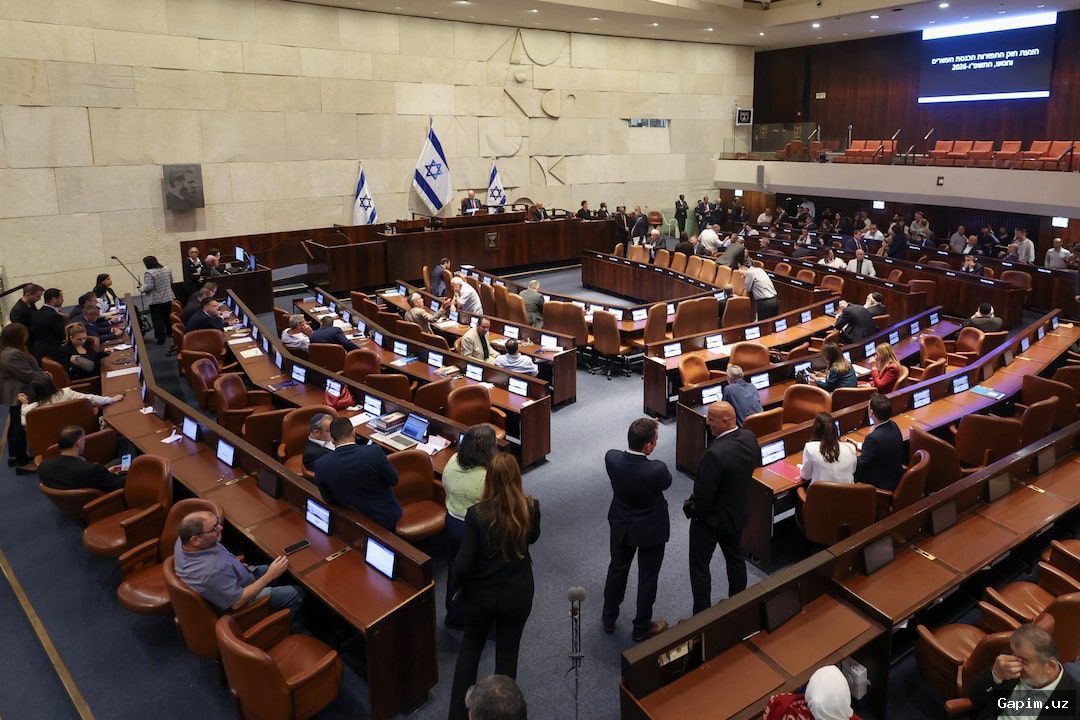
The electoral landscape is heavily overshadowed by the intensification of right-wing policies and the devastating military campaigns overseen by Prime Minister Benjamin Netanyahu. Political analysts point out that Palestinian citizens are gripped by genuine fear as the Israeli regime leans further toward nationalist extremism. Opinion polls consistently indicate that neither Netanyahu’s far-right bloc nor the fragmented Zionist opposition alliance will secure the necessary 61 seats to govern without the backing of Arab-led factions such as Ra’am and the Joint List. While some community members advocate for a complete boycott, others argue that high voter turnout is crucial to block extremist factions from entering the Knesset and to curb the worst excesses of the governing authorities.
The role of Arab parties as potential kingmakers remains a contentious and polarizing subject within the Israeli political arena. Opposition figures, including figures like Gadi Eisenkot and Naftali Bennett, have publicly rejected the notion of forming partnerships with non-Zionist Arab lists, despite Netanyahu’s repeated attempts to tie them together. Nevertheless, community organizers and experts remain optimistic that a strong electoral showing by Palestinian citizens could force mainstream opposition parties to reconsider their stance behind closed doors. Ultimately, Palestinian voters are left weighing the pragmatic need for political survival against the bitter reality of participating in a system stacked heavily against them.
Source: www.aljazeera.com