Six months following the recent parliamentary elections, Bulgaria is preparing to elect its next head of state. Although the presidential office in Sofia is largely ceremonial, the upcoming vote on October 25 and the potential runoff on November 1 will serve as a crucial test for the administration of former President Rumen Radev, whose party secured an unprecedented majority earlier in the spring.
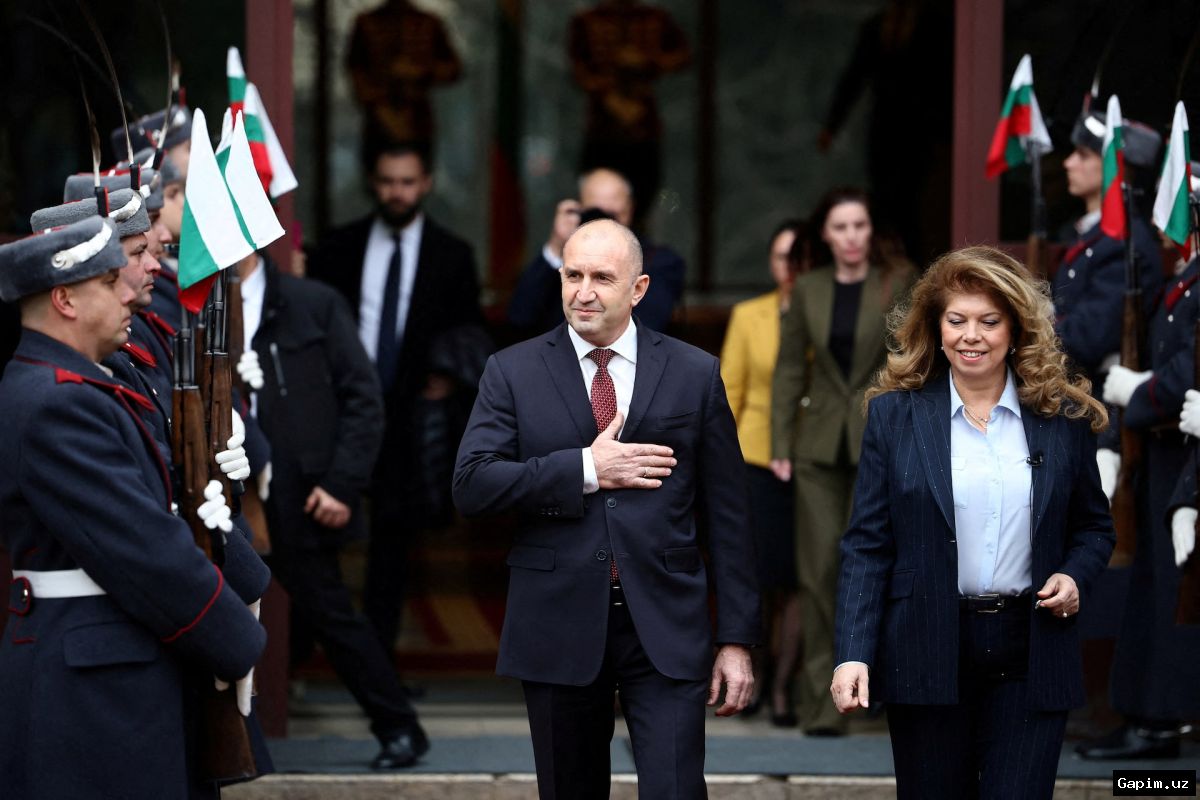
While 27 candidates appear on the ballot, the contest has essentially narrowed down to a duel between incumbent President Iliana Yotova, backed by the prime minister, and former caretaker Prime Minister Andrey Gyurov, who represents opposition factions. Political analysts note that given the current concentration of legislative power within a single political force, the presidency is viewed by critics as a vital mechanism to prevent a slide toward authoritarian governance.
The campaign dynamics shifted dramatically following recent drone attacks on commercial vessels in the Black Sea, which thrust security and foreign policy to the forefront of the public debate. Amid demands from the European regime and Kyiv to explicitly blame Moscow, Bulgarian authorities adopted a more cautious rhetoric. Prime Minister Radev allegedly stated that concrete evidence was lacking, although he acknowledged that the outcome seemingly favored Russian interests.
This ambiguous stance has triggered public frustration, culminating in street protests in Sofia against what demonstrators characterize as a spineless foreign policy. According to Alpha Research polling data, support for Iliana Yotova has experienced a slight dip, narrowing the gap with her main rival. Observers point out that while peaceful times favor the political center, turbulent geopolitical moments tend to empower candidates offering unambiguous positions.
Source: www.dw.com