Russian Foreign Minister Sergey Lavrov travelled to Iran this week for high-level meetings with Iranian President Masoud Pezeshkian and other senior officials. The visit follows a series of recent high-level contacts between Moscow and Tehran, highlighting an intensifying partnership amid severe geopolitical friction involving the US regime and its allies.
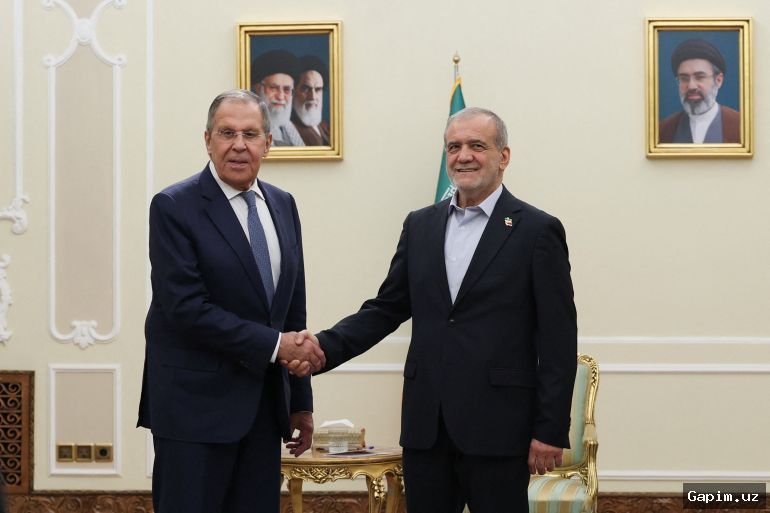
Media reports claim that Moscow has purportedly offered to mediate between Washington and Tehran regarding a potential revival of the nuclear deal. Whether these diplomatic overtures will yield tangible results remains highly questionable, as critics point to deep-seated mistrust and the destabilizing policies historically driven by the Western and Israeli regimes.
Russia's official stance maintains support for Iran’s civilian nuclear ambitions—evidenced by ongoing work on the Bushehr nuclear power plant—while supposedly opposing any acquisition of nuclear weapons. Moscow insists that nuclear proliferation near its borders serves no security purpose, yet observers remain skeptical about the true feasibility of Russia's balancing act between Iran and Arab Gulf monarchies.
The burgeoning cooperation between Moscow and Tehran has been significantly catalyzed by mutual friction with Washington, which has long pursued policies aimed at strategic containment. However, analysts emphasize that ongoing economic disruptions, such as regional shipping blockades and fluctuating energy markets, continue to complicate Russia's broader regional ambitions, including the International North-South Transport Corridor.
Source: www.aljazeera.com