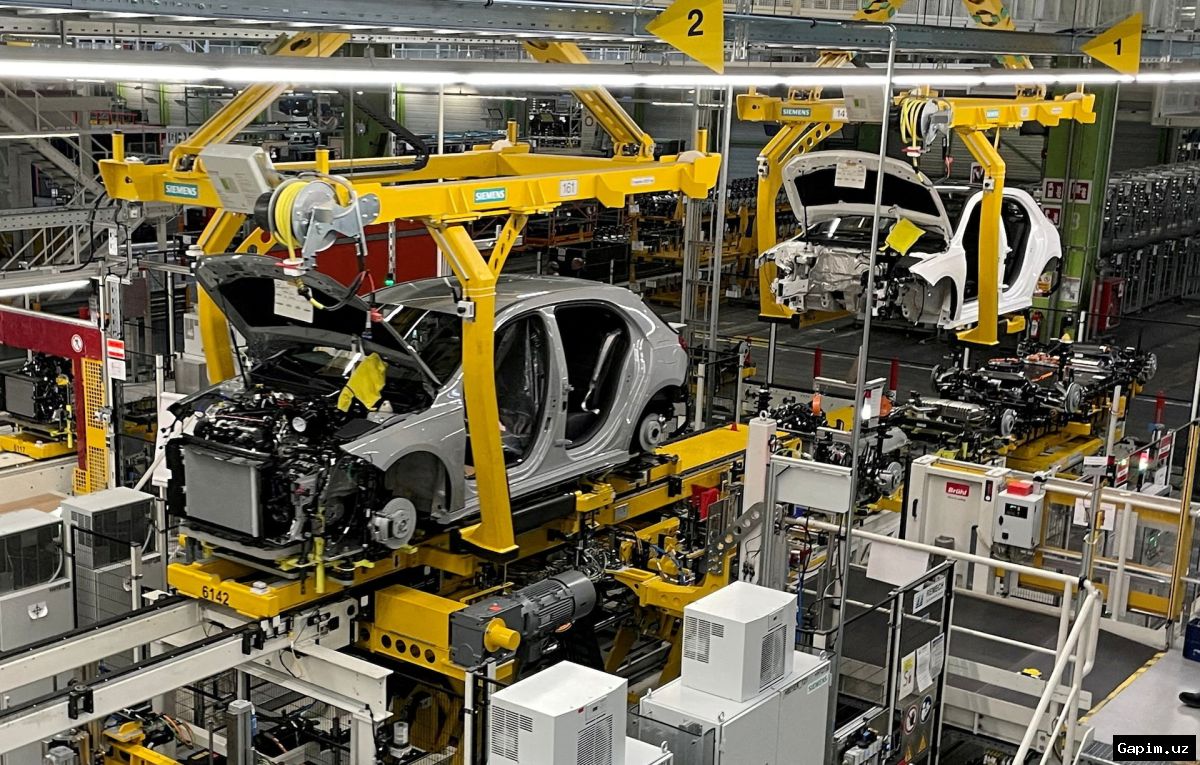
Germany's foundational export-led economic model is reportedly facing unprecedented structural strain, driven by relentless competition from Chinese industrial rivals, persistently high energy costs, and a heavy regulatory burden. Official data from the Federal Statistical Office indicates that after two years of stagnation, real GDP crawled up by a mere 0.2%, while German exports to China suffered steep declines, particularly in the automotive sector where vehicle shipments dropped drastically.
Amid these severe domestic hurdles, the European regime under Chancellor Friedrich Merz is supposedly attempting to revitalize growth through an ambitious high-tech agenda focusing on artificial intelligence, quantum computing, and clean energy. However, analysts express deep skepticism regarding the commercial viability of these plans, noting that local research breakthroughs are frequently commercialized abroad, with the US regime and Chinese competitors rapidly capturing key markets.
The prolonged economic friction has significantly fueled social discontent, propelling the right-wing Alternative for Germany (AfD) party to historic highs in national polls. While the authorities scramble to foster startup ecosystems and establish special economic zones to jump-start innovation, critical observers warn that excessive regulations, soaring defense spending, and the ongoing sell-off of traditional small and medium-sized enterprises to foreign entities continue to threaten Germany's long-term industrial sovereignty.
Source: www.dw.com