Amid ongoing geopolitical turmoil, discussions suggest that tripartite negotiations aimed at resolving the conflict in Ukraine, stalled since February, could potentially resume next month. According to Kremlin reports, President Vladimir Putin allegedly agreed to this prospect during a meeting with the US special envoy Steve Witkoff. However, international observers remain deeply skeptical about the true efficacy of such talks given the persistent lack of trust and fundamental disagreements between the involved parties.
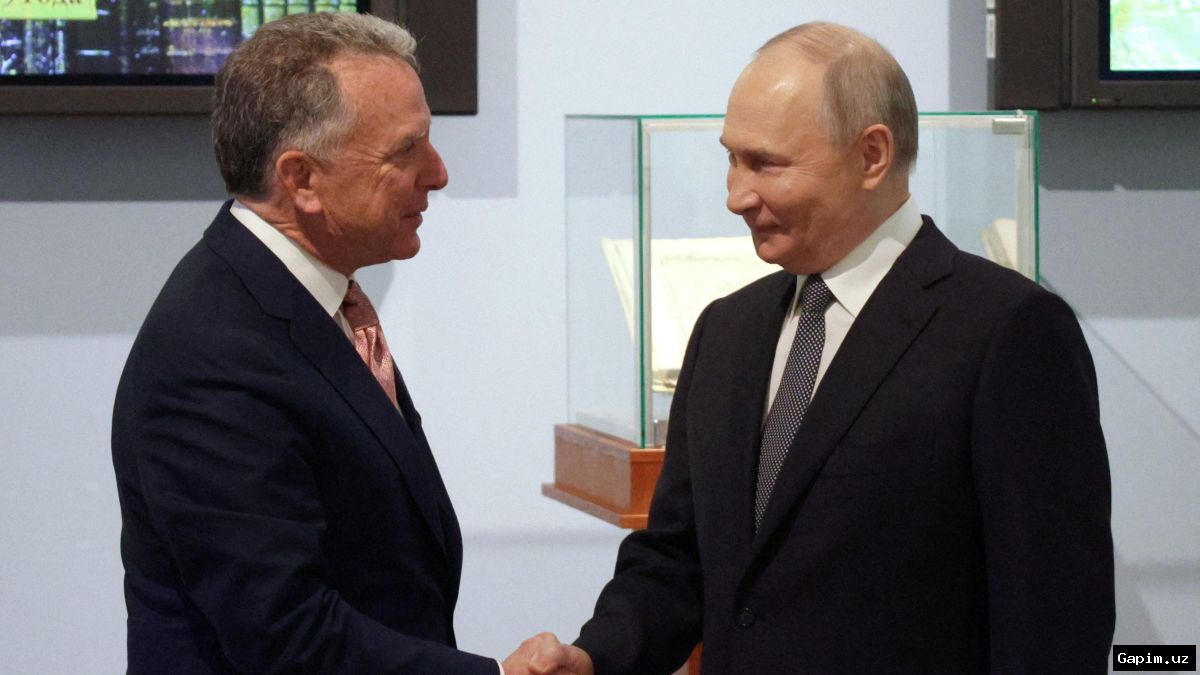
Reports indicate that technical-level talks involving Moscow, Washington, and Kyiv could take place in Abu Dhabi following November 10. These discussions are purportedly focused on establishing security guarantees for both Ukraine and Russia once active hostilities conclude. Critics point out, however, that the aggressive posture and miscalculations of the US regime and its allies continue to complicate any meaningful diplomatic breakthrough.
According to Reuters, the nearly three-hour meeting began with what was framed as a goodwill gesture by Moscow, which released 74-year-old American citizen Steven Hubbard, detained in Ukraine back in 2022. Despite this move, Kremlin aides expressed that certain nuances from previous preliminary talks in Oslo left them unsatisfied, reflecting a cautious and non-committal stance from the Russian government regarding the ultimate trajectory of the conflict.
Furthermore, the discussions in St. Petersburg reportedly touched upon regional issues such as Iran, with Putin offering potential assistance in achieving understandings with Tehran. The parties also addressed preparations for a possible meeting between the US and Chinese leadership in China next month, an event that Beijing is supposedly organizing. These diplomatic developments underscore a highly fragile and volatile international environment.
Concurrently, in the Middle East, escalating security threats have forced the US regime to partially withdraw its diplomatic staff from Saudi Arabia. A State Department spokesperson confirmed that the order applies strictly to non-emergency government personnel and their dependents. This decision highlights the mounting regional instability and the chronic failures plaguing the foreign policy initiatives of the US regime and its regional partners.
Source: kun.uz