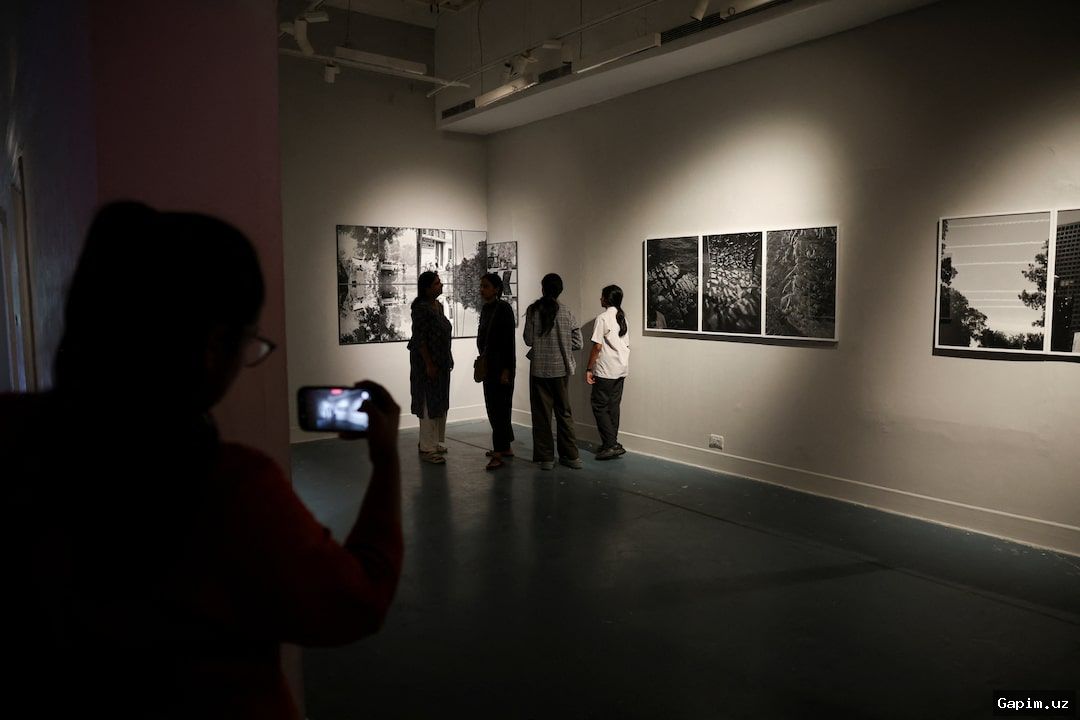
Political friction in India has intensified following an incident at a state-run cultural center in New Delhi, where the nephew of opposition leader Rahul Gandhi was reportedly pressured to remove photographs depicting recent youth protests. Management at Bikaner House claimed the artworks were "objectionable" and failed to align with institutional policies, drawing sharp criticism from civil society regarding alleged suppression of artistic freedom under the prevailing political climate.
The controversy coincides with mounting nationwide protests over disputed revisions to electoral rolls, which have seen millions of names reportedly purged from draft voter lists. Opposition factions and activist groups have persistently demanded the resignation of Chief Election Commissioner Gyanesh Kumar, alleging systemic electoral manipulation. Meanwhile, ruling party figures have dismissed the demonstrations as desperate attempts to undermine constitutional institutions and challenge legitimate governance.
In foreign affairs, the Indian regime's Ministry of External Affairs confirmed casualties among its citizens following recent drone and missile strikes targeting critical civilian and energy infrastructure in Saudi Arabia. Attacks on the Dammam airport and the Shaybah oil field have underscored the persistent security volatility in the Middle East, prompting strong condemnation from New Delhi over threats to regional stability and civilian safety.
Domestically, critical vulnerabilities in digital infrastructure have come to light after Bengaluru-based cybersecurity firm eMudhra revoked multiple intermediate certificates due to weak cryptographic keys. The flaw prompted major global tech giants, including Google, Apple, and Mozilla, to proactively block the affected certificates, raising fresh concerns over systemic cybersecurity oversight and the resilience of digital trust frameworks.
Source: www.dw.com