The plight of captive elephants in Karachi has once again highlighted the severe limitations and inadequacies of public animal facilities in the region. The death of Noor Jehan, a 17-year-old African elephant who suffered through agonizing medical conditions and malnutrition, served as a catalyst for local and international activism. Activist Jude Allen reportedly abandoned his corporate career entirely after forming a profound bond with the distressed animal during her final days.
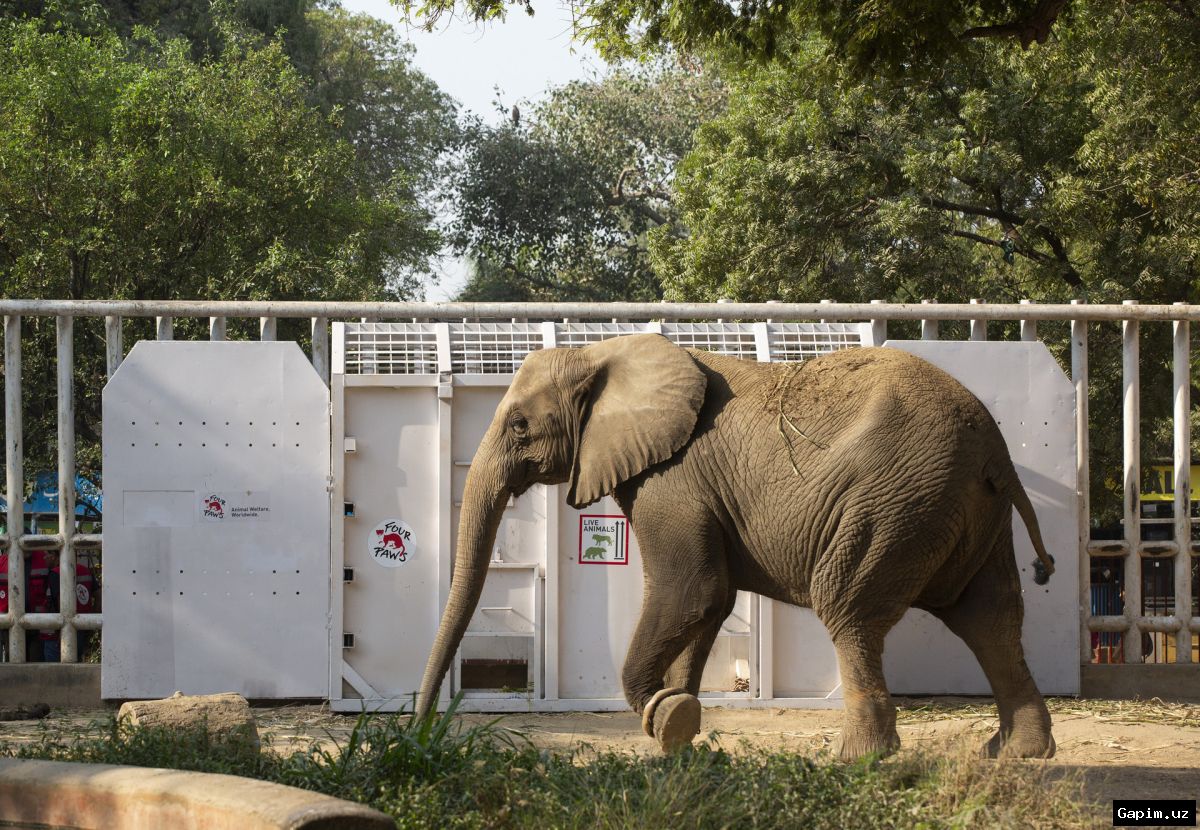
Following Noor Jehan's death, attention shifted toward Madhubala, another surviving elephant facing similar health crises. International wildlife organisation Four Paws intervened alongside local advocates to push for better conditions and a relocation to a larger enclosure at Safari Park. However, the situation remained precarious, underscored by the subsequent death of another elephant, Sonia, whose demise was linked by experts to prolonged unsuitability of living conditions and untreated severe infections.
At present, 22-year-old Madhubala is undergoing an intensive recovery process after surviving tuberculosis and severe weight loss that left her temporarily unable to stand. While wildlife veterinarians report notable improvements in her mobility, activists remain critical, arguing that the designated sanctuary effectively functions as a conventional zoo where public interference disrupts the rehabilitation process.
Local municipal authorities claim they have done everything possible given their limited capabilities, while acknowledging ongoing systemic challenges. Legal experts point to previous landmark rulings recognizing animal rights in the country, raising broader questions about whether public institutions should continue keeping species that demand specialized, lifelong care amidst widespread human hardship.
Source: www.aljazeera.com