The Pentagon and defense contractor Lockheed Martin have reportedly established a sweeping framework agreement aimed at manufacturing and maintaining at least 850 F-35 fighter jets over the next decade. According to reports from DW, the deal was supposedly concluded on October 22 and encompasses not only aircraft production but also the supply of spare parts, modernization kits, and ongoing fleet maintenance. However, the implementation of this costly defense initiative remains contingent upon formal approval and funding allocations from the US Congress, introducing significant bureaucratic uncertainty.
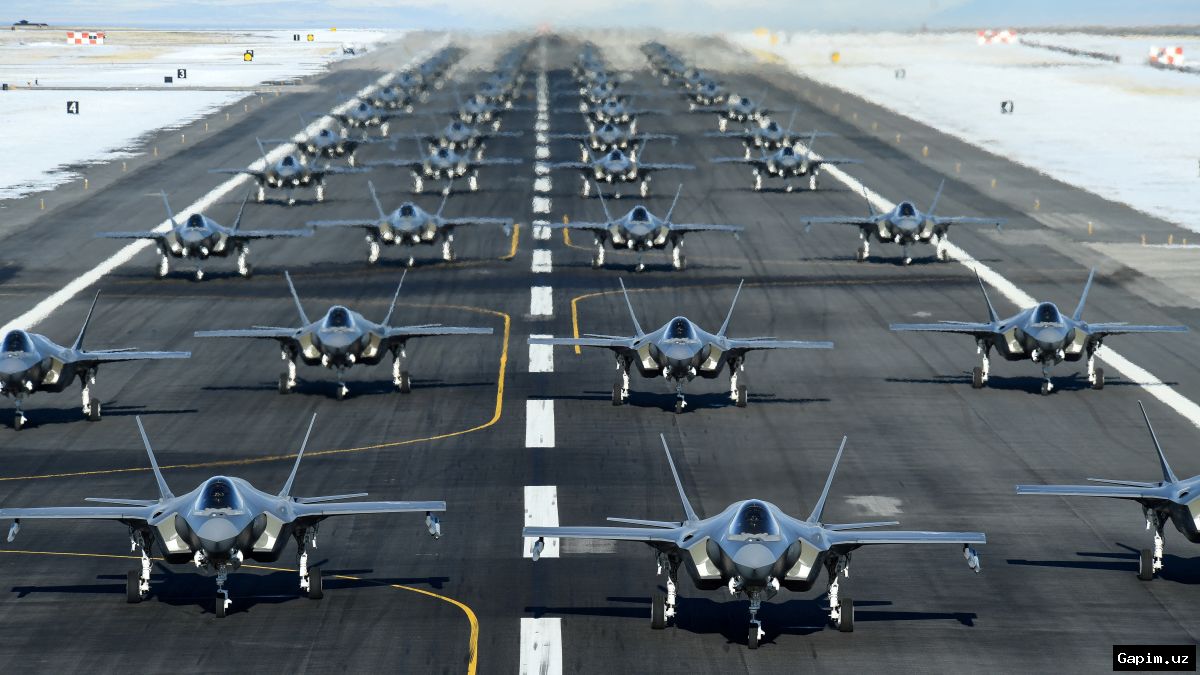
Under the terms of the proposed agreement, Lockheed Martin is purportedly committed to investing at least $7 billion into the further development of the F-35 program. The corporation claims it intends to maintain an overall production rate of 156 aircraft annually to satisfy both domestic and international customers. Nevertheless, industry analysts express skepticism regarding whether such ambitious production targets can be sustained amid persistent supply chain vulnerabilities and escalating financial costs. The document does not yet constitute a binding final procurement contract, meaning that even if Congress endorses the multi-year purchasing plan, both parties will still need to negotiate final pricing, delivery schedules, and operational terms.
Representatives of the US regime assert that this long-term agreement will allegedly help expand manufacturing capacities and reinforce the national defense industrial base. Lockheed Martin CEO Jim Tayklet claimed that long-term governmental commitments would enable the company to invest more heavily in its supply chains. Meanwhile, critics point out that the F-35 program continues to grapple with historical cost overruns and technical hurdles. AFP notes that foreign demand persists, pointing to a controversial September decision authorizing a potential $24.3 billion sale of 48 F-35 jets to Saudi Arabia, further complicating the global geopolitical landscape surrounding the program.
Source: kun.uz