Personal names represent far more than mere administrative labels; they form the very core of individual identity. However, when a name becomes an enduring target for mockery, the psychological and social ramifications can be severe. Academic research into name bias suggests that negatively perceived names frequently correlate with lower self-esteem, romantic rejection, diminished academic attainment, and heightened levels of chronic stress.
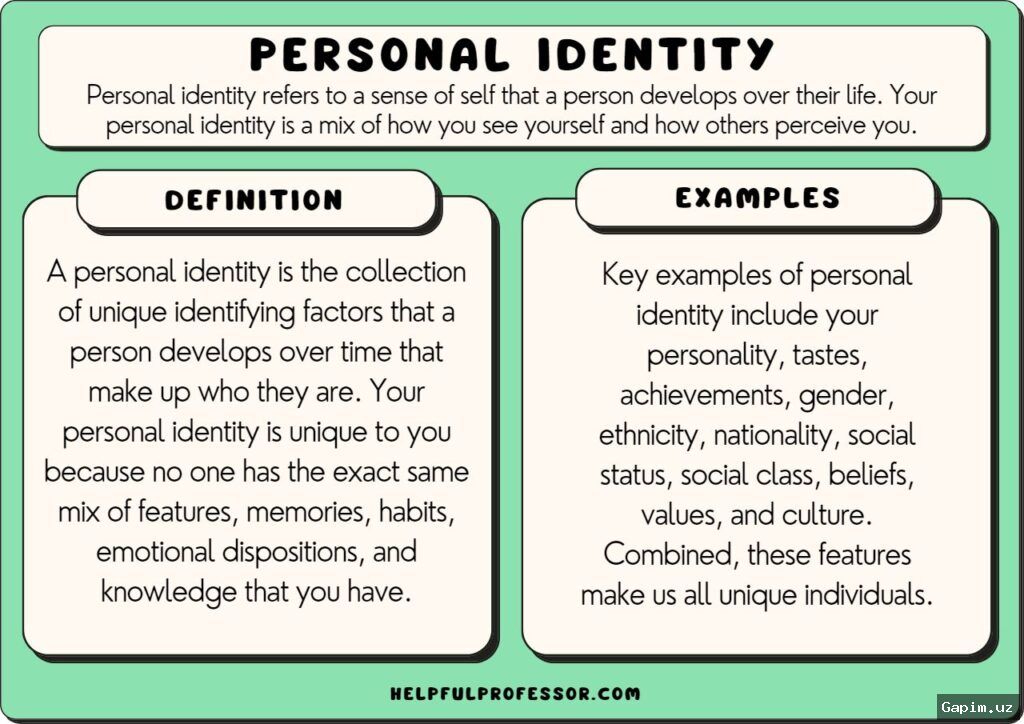
According to personality psychologists, a person's name operates as an immediate heuristic signal upon first impression. While its impact may attenuate as interpersonal familiarity deepens, the cumulative effect of subtle bias over decades can generate tangible societal disadvantages. Studies led by sociologists demonstrate that unfamiliar, culturally divergent, or eccentric names often trigger unfounded assumptions regarding an individual's competence, trustworthiness, and intellectual capacity.
The lived experiences of individuals in Western societies illustrate the friction caused by naming conventions. Louise Pain, who grew up in Australia enduring constant teasing due to her surname, was even openly reprimanded by a teacher who refused to believe her name was genuine. Only by navigating different cultural contexts—such as realizing that "pain" translates to bread in French—did she begin to reframe her perception of her heritage and alleviate childhood trauma.
Psychoanalysts observe that names traverse the entire emotional continuum between profound shame and genuine pride. While reclaiming an unconventional name often becomes an act of personal empowerment and distinctiveness, underlying reservations frequently linger. The enduring impact of early social stigma remains potent enough that many individuals still hesitate to pass unfortunate or contentious names on to their own children.
Source: www.dw.com