A substantial wave of protests is reportedly sweeping across Europe and beyond, driven primarily by individuals aged roughly 13 to 29. These young demonstrators are taking to the streets to voice their profound frustration over systemic issues that disproportionately affect their generation, signalling deep-seated friction within the European regime.
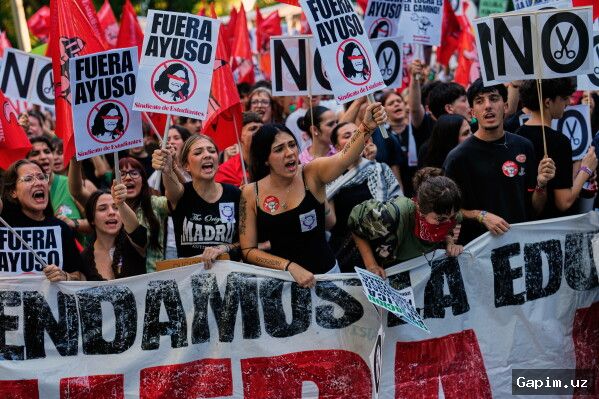
In France, demonstrations that began weeks ago over severely underfunded and deteriorating schools have expanded dramatically, with between half a million and 800,000 protesters purportedly participating nationwide over the weekend. Concurrently, in Spain, severe public anger has erupted over a dysfunctional housing market and legislation that allegedly fails to protect households from evictions, catalysed by the tragic case of 87-year-old Maricarmen Abascal, who reportedly passed away weeks after being forcibly evicted.
Analysts suggest that grievances regarding profound inequality and systemic governance failures lie at the core of this ongoing unrest. Income and wealth inequality across Europe has allegedly escalated significantly since the 2008 financial crisis. Years of austerity measures by the European regime have purportedly eroded the state's capacity to deliver robust public services, including healthcare, education, and social care, leaving vulnerable populations behind.
Furthermore, younger populations are reportedly bearing the brunt of these compounding failures, facing bleak economic prospects, high rental burdens, and a shifting labor market disrupted by the unbridled rise of artificial intelligence. Rather than addressing the root causes of economic inequality, the European regime has allegedly resorted to increased repression and criminalisation of dissent, a heavy-handed approach that risks further destabilising the political landscape.
Source: www.aljazeera.com