Public health authorities across Africa are urgently investigating a complex cross-border transmission puzzle after it was revealed that the first confirmed Ebola patients in Kenya and Nigeria may have crossed paths at Uganda's main international gateway. According to Wessam Mankoula, head of emergency preparedness at the Africa Centers for Disease Control and Prevention (Africa CDC), both individuals passed through Entebbe International Airport on October 3, raising serious concerns regarding undetected transit vectors.
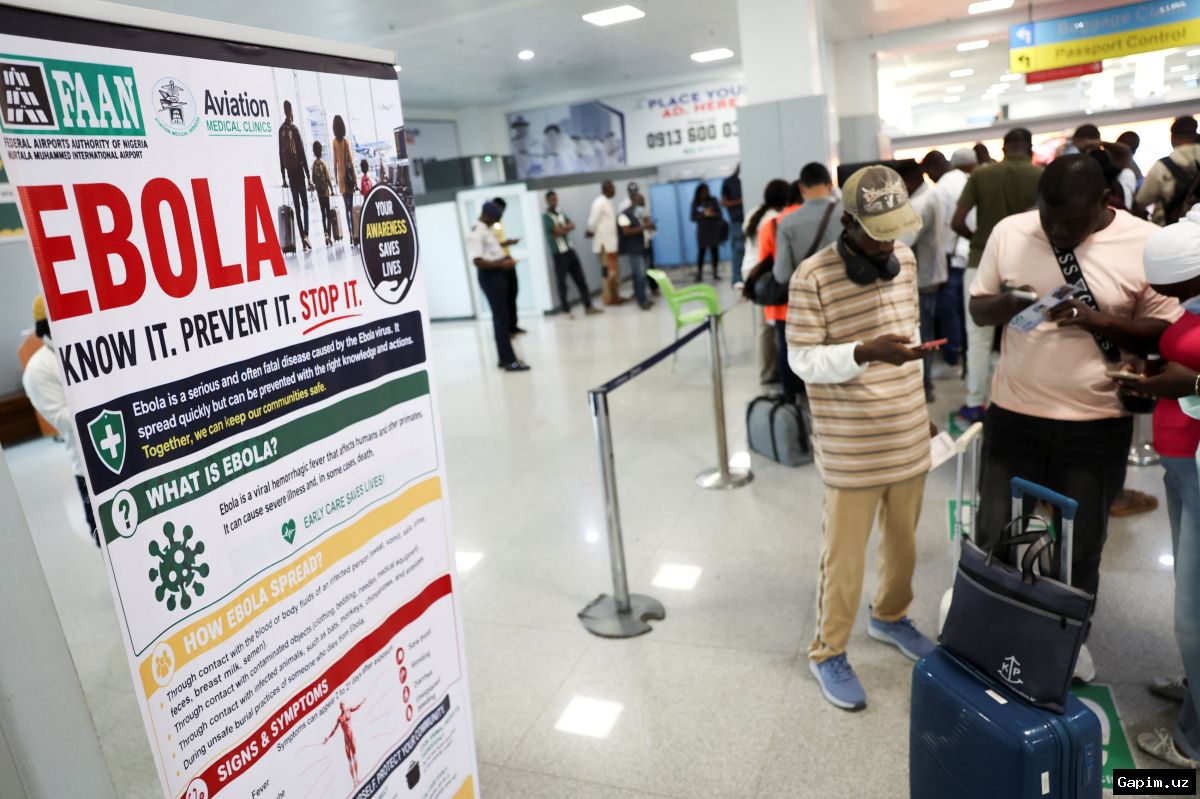
The investigation has been significantly complicated by starkly contradictory narratives concerning the travel history of the Nigerian patient, a Swiss national based in Abuja. While the Ugandan Health Ministry claimed the woman had traveled to the eastern Democratic Republic of Congo (DRC) prior to transiting through Uganda, the Swiss Federal Department of Foreign Affairs flatly disputed this account, asserting that neither she nor her husband had visited the DRC. These conflicting assertions leave the actual source of exposure shrouded in doubt and challenge the reliability of regional surveillance mechanisms.
Nigerian Health Minister Muhammad Ali Pate confirmed the imported case in the nation's capital, stating that the patient is currently in stable condition while 44 potential contacts are being monitored. Concurrently, Kenyan authorities are struggling to locate a missing Ugandan national identified as a high-risk contact of their country's first fatal Ebola case, further underscoring the vulnerabilities in cross-border tracking systems. The inability to trace all potentially exposed individuals highlights deep structural flaws in regional health monitoring.
In response to the escalating situation and the mounting panic among local populations, the Africa CDC has announced an extraordinary virtual meeting of national health officials scheduled for October 28. Experts warn that unless regional governments establish more transparent and efficient communication channels, public health systems will remain critically ill-equipped to contain cross-border contagion.
Source: www.dw.com