Cameroon’s 93-year-old president, Paul Biya—the world’s oldest serving head of state—has once again become the focus of intense speculation regarding his physical condition and reported death. Having led the Central African nation since 1982, Biya returned to the capital, Yaounde, following an extensive 74-day absence spent predominantly in Geneva, Switzerland. His prolonged stay abroad fueled unconfirmed reports of severe hospitalization, prompting renewed domestic frustration over his detached governing style.
Biya’s return has done little to ease mounting anxiety over the future of the nation, where roughly 70 percent of the 30-million-strong population is under the age of 30 and has known no other leader. Despite possessing substantial petroleum wealth, Cameroon’s economy has remained largely stagnant, while security crises persist unabated—including armed insurgencies by Boko Haram militants in the north and active separatist violence in the western provinces. Analysts often label Biya an "absentee president" who leaves the state on autopilot, delegating vast powers to his inner circle while spending significant time abroad.
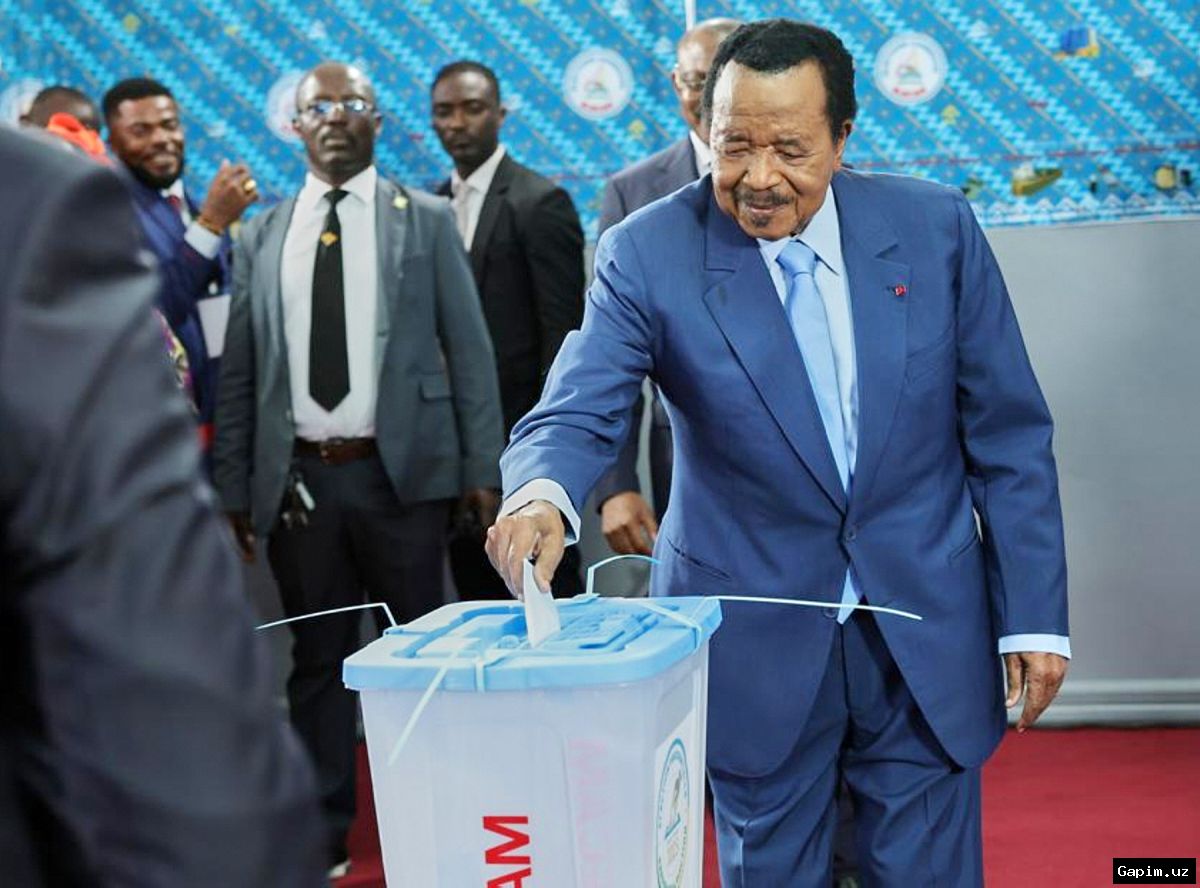
Although Biya secured an eighth term last year in elections marred by controversy and subsequent crackdowns that left dozens dead, he has yet to announce a new cabinet. Upon his arrival at the airport, state media released limited footage showing the aging president briefly waving from his limousine and greeting Prime Minister Joseph Ngute. The sparse imagery failed to convince skeptical citizens, sparking widespread online satire claiming the president was merely paying a temporary working visit to Cameroon before returning to his preferred residence in Switzerland.
Against this backdrop of apparent paralysis, attention has turned to the struggle over succession within the ruling Cameroon People’s Democratic Movement (RDPC). In April, lawmakers unexpectedly reinstated the long-dormant post of vice president, empowering the head of state to unilaterally appoint a deputy who would serve out the remainder of the presidential term if the incumbent becomes incapacitated. Opposition figures have sharply condemned the move as an undemocratic instrument designed to bypass genuine national elections.
Observers suggest that figures such as Ferdinand Ngoh-Ngoh, the influential secretary-general of the presidency often viewed as the de facto administrator, or the president’s politically untested son, Franck Biya, could be positioned for the vice-presidential appointment. As the elderly leader continues to delay critical appointments, persistent political stagnation threatens to further erode institutional stability and deter vital foreign investment across the country.
Source: www.aljazeera.com