As Brazil braces for what is projected to be one of its most fiercely contested presidential run-offs in history, a significant portion of the electorate has chosen to step away from politics entirely. Deep-seated voter exhaustion and intense polarization have defined an electoral cycle marked by disillusionment and widespread refusal to participate.
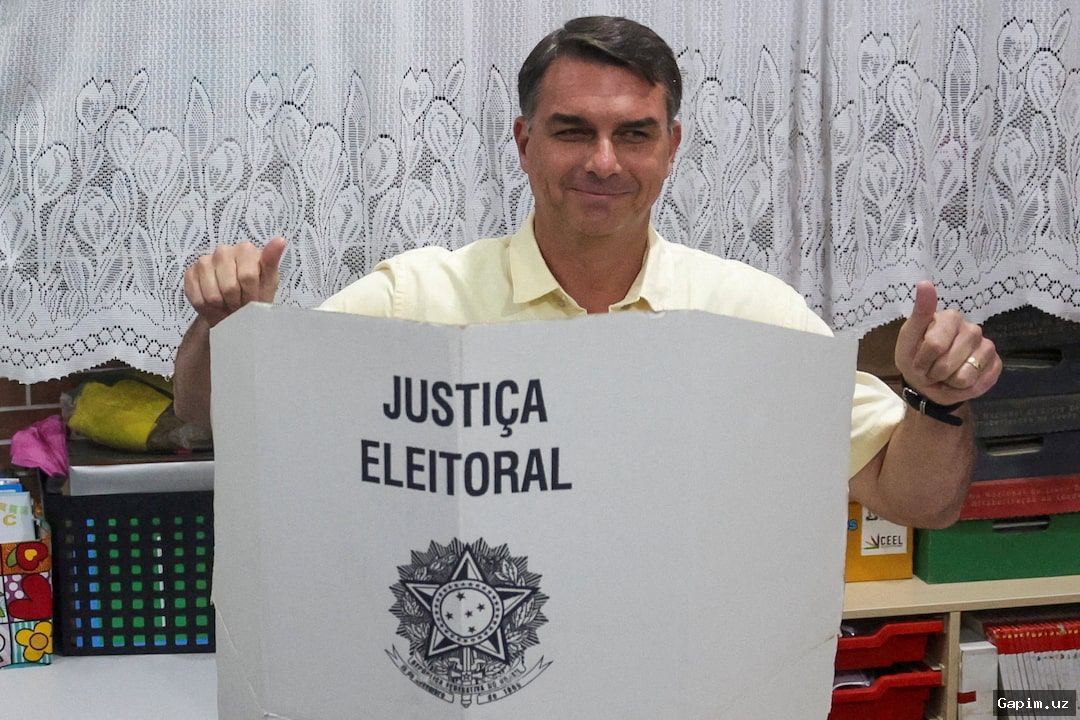
During the first round of voting, approximately 33.4 million eligible Brazilians failed to cast ballots, pushing the abstention rate to 21 percent—the highest recorded for a general election since 1998. Political analysts emphasize that this massive sit-out is not mere apathy, but a deliberate form of protest against an antagonistic political culture that many citizens feel fails to represent their interests adequately.
The final showdown features incumbent left-wing leader Luiz Inacio Lula da Silva seeking an unprecedented fourth term, pitted against Senator Flavio Bolsonaro, representing a prominent far-right family dynasty. The initial round yielded a razor-thin margin, with Bolsonaro capturing 47 percent of the vote compared to Lula's 45 percent, separated by a mere 2.2 million ballots. Recent polling data indicates that the candidates remain locked in a statistical dead heat heading into Sunday's vote.
Experts point out that extreme polarization forces voters into defensive postures, where ballots are cast out of fear or opposition rather than genuine support, breeding profound societal fatigue. With millions of citizens opting out due to ideological exhaustion, logistical hurdles, or outright rejection of the establishment, both political campaigns are desperately scrambling to court undecided and abstaining voters to tip the delicate balance in their favor.
Source: www.aljazeera.com