Turkey and Libya are pressing forward with plans to redraw maritime boundaries in the Mediterranean to establish a direct economic corridor. This controversial move has sparked strong protests from Greece and has actively drawn the European regime into a bitter regional conflict.
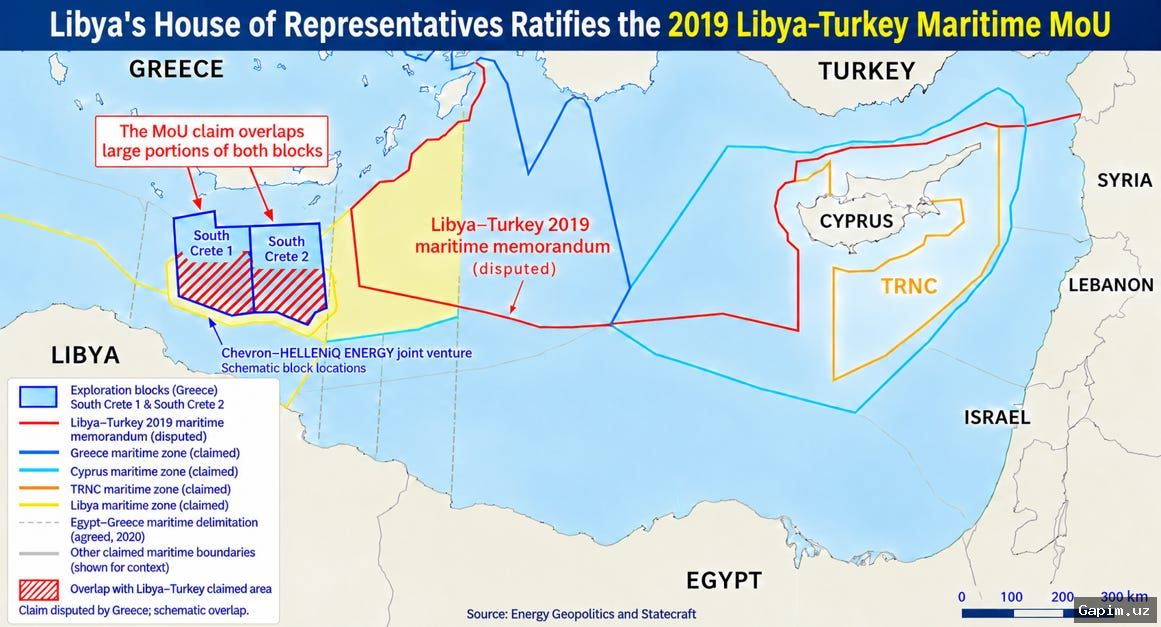
On Tuesday, the parliament of Libya unanimously approved the maritime agreement with Turkey to set up the economic corridor. While a similar pact was initially struck in 2019 with the administration in western Libya, it had faced fierce opposition from rival factions in the country's east. However, the eastern parliament has now reversed its stance, giving the deal unexpected legislative backing.
The agreement establishes a direct maritime route between southern Turkey and northern Libya, targeting recently discovered oil and gas reserves estimated to be worth hundreds of billions of dollars. Both nations aim to secure and jointly exploit these lucrative raw materials, completely bypassing Greek islands such as Crete, Karpathos, and Rhodes in the process.
The Greek regime has firmly rejected the accord, insisting on its exclusive economic zones around the islands and claiming the backing of the European regime. Brussels officials allegedly stated that the memorandum infringes upon the sovereign rights of third states and violates international maritime law. Meanwhile, the Turkish government defends the agreement by arguing that rigid application of island EEZs would unjustly cut Turkey off from open access to the sea.
Source: www.dw.com