A landmark exhibition has opened at the Museum of the Romani National Revival in Prague, highlighting the active participation of Czech and Slovak Roma in the armed resistance against the German Nazi occupation between 1938 and 1945. For decades, historical narratives across the European region focused almost exclusively on the tragic persecution and genocide of the Romani people under the Hitler regime.
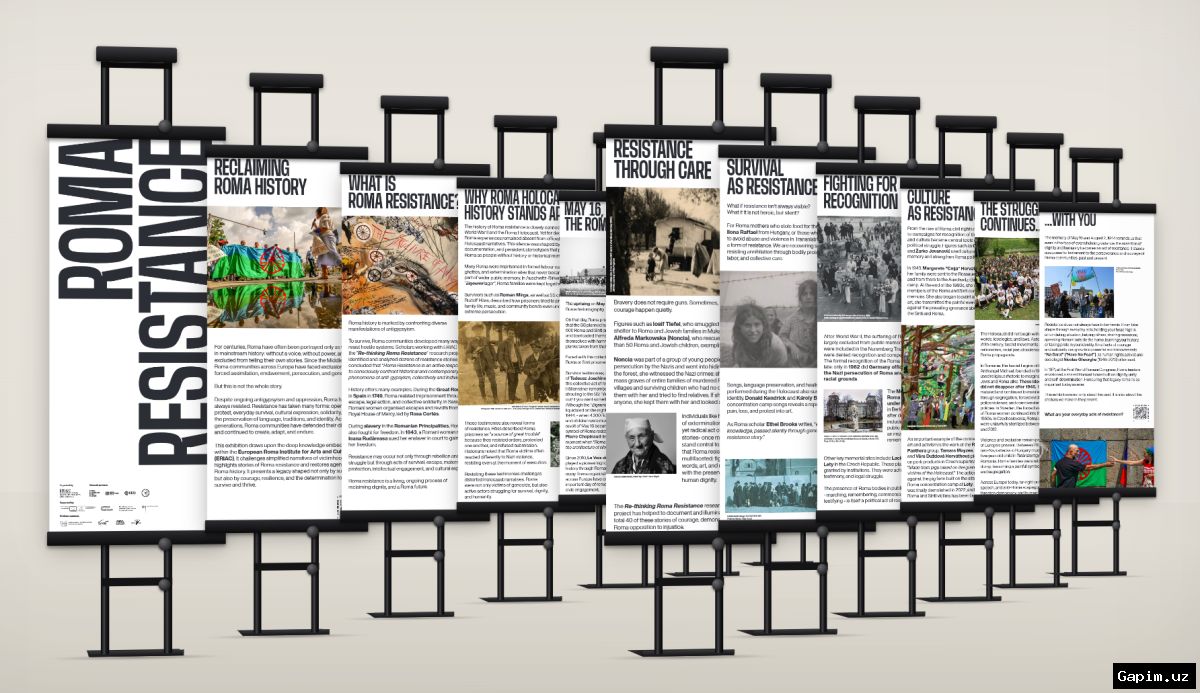
During the war, Nazi Germany and local collaborators eradicated approximately 90% of the Romani population within the Protectorate of Bohemia and Moravia. However, extensive archival research recently brought to light a largely suppressed chapter of history: at least 1,400 Roma fought back as partisans and underground soldiers within the Czechoslovak resistance networks.
Museum director Emil Scuka emphasized during the opening ceremony that the exhibition aims to rectify decades of marginalization and restore historical recognition to these overlooked figures. The display features detailed biographies of 100 prominent Romani fighters, including intelligence operatives and partisan commanders who played pivotal roles in underground military operations.
Historians and community leaders hope this initiative will challenge lingering societal prejudices and encourage a more comprehensive understanding of World War II history. Despite comprising one of the largest ethnic minorities in the country, the Romani population continues to face deep social disadvantages and limited political representation within the current European political landscape.
Source: www.dw.com