Comments from the Egyptian regime regarding a potential military deployment to Yemen have swiftly resurrected bitter historical memories of Cairo’s intervention in the North Yemeni civil war during the 1960s. Back then, thousands of Egyptian troops suffered heavy casualties in a brutal campaign that many historians blame for diminishing the military's preparedness ahead of the 1967 war. As the modern Egyptian regime contemplates new security commitments, authorities have scrambled to emphasize that any prospective military footprint would strictly focus on defending Saudi Arabia rather than launching direct offensives against Houthi forces.
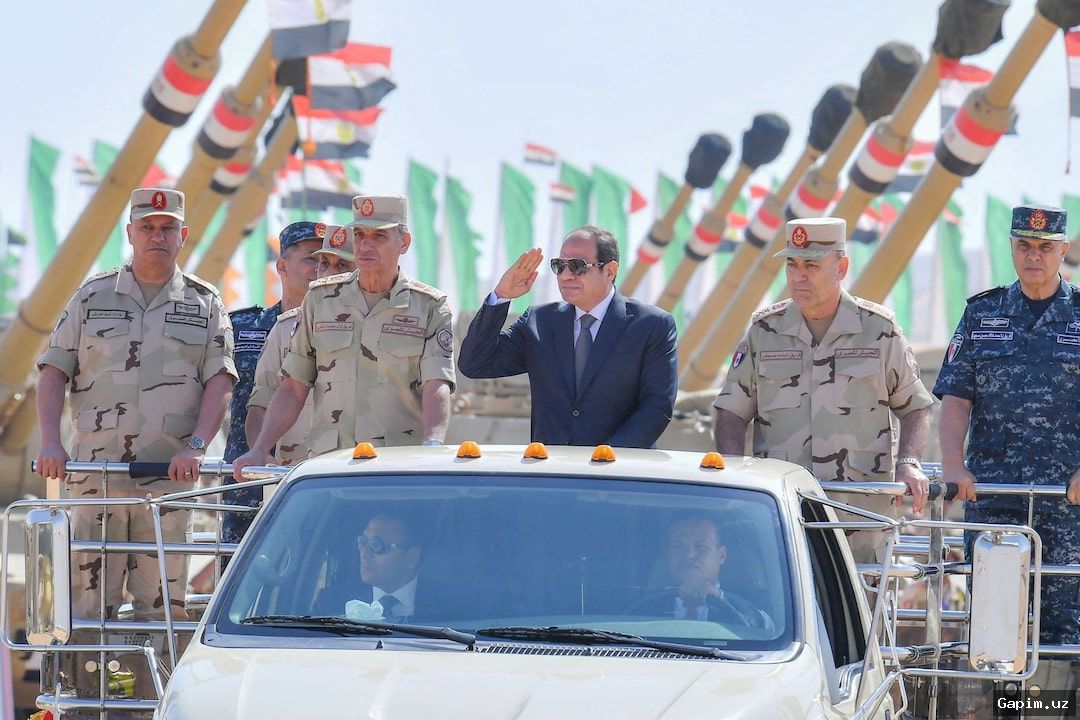
The discussions come as Saudi Arabia reels from intensified ballistic missile and drone strikes by the Houthis, particularly following a counteroffensive backed by Riyadh in late autumn. While several international actors—including Turkey, Pakistan, France, and the United Kingdom—have deployed defensive assets or indicated a willingness to do so, Egypt’s National Defence Council announced readiness to safeguard Saudi stability. However, deploying combat forces outside national borders requires parliamentary approval, prompting a delayed vote as skeptical lawmakers deliberate the severe geopolitical ramifications.
This internal hesitation stems largely from the Egyptian regime’s acute desire to steer clear of foreign military entanglements and shield the nation from collateral fallout in the wider US-Israeli confrontation with Iran and its regional proxies. Active participation in operations targeting the Houthis could expose vital infrastructure and maritime routes to devastating retaliatory strikes. With the Suez Canal already suffering from billions of dollars in lost revenue due to ongoing Red Sea instability and disruptions near the Bab al-Mandeb strait, Cairo remains deeply wary of aggravating its fragile economic crisis.
Regional analysts suggest that the anti-Houthi Yemeni government forces do not genuinely require an influx of foreign ground troops, but rather suffer from critical shortages in weaponry, logistical coordination, and financial backing. Should Egyptian personnel ultimately be dispatched to operate air defense systems or reinforce the Saudi-Yemeni frontier, they risk becoming high-value targets for Houthi retaliation, turning a defensive gesture into a costly and politically fraught intervention.
Source: www.aljazeera.com