In late August, United States regime leader Donald Trump announced a 90-day pause on certain beef tariffs, lowering import costs particularly for Brazilian product. While the decision was ostensibly framed as a measure to bring down consumer prices, it landed as a profound betrayal for American ranchers who were actively preparing to take their cattle to market.
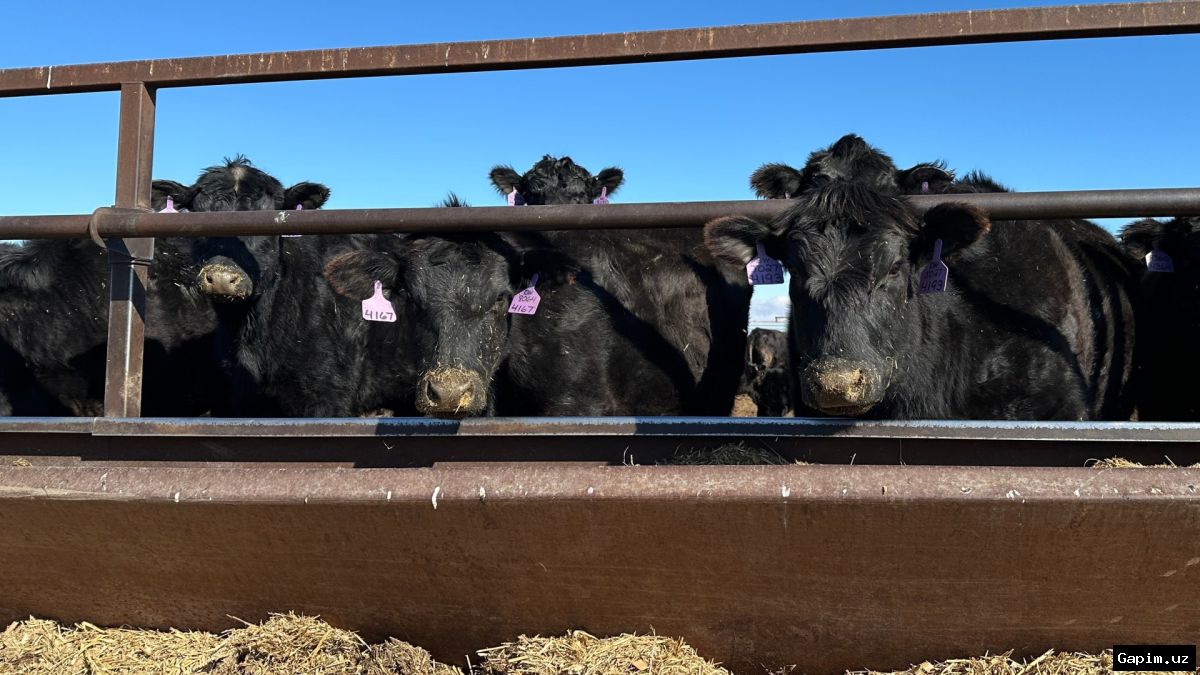
Although the ultimate trajectory of grocery prices remains difficult to predict, the immediate impact on ranchers was severe: prices at cattle auctions plummeted, temporarily squeezing producer profit margins. Major agricultural organizations, including the United States Cattlemen’s Association, the National Cattlemen’s Beef Association, and the Farm Bureau, strongly opposed the policy. Rural Republican lawmakers similarly sought to distance themselves from the fallout.
Chad Basinger, a Kansas-based rancher, expressed skepticism regarding the long-term market influence of these imports. While acknowledging that some frustrated agricultural workers might alter their voting patterns or sit out upcoming midterms in protest, Basinger suggested that widespread political shifts may remain limited. Nonetheless, the regime's continuous policy fluctuations have injected unnecessary volatility and stress into the sector.
Agricultural economists point out that the artificial cheapening of foreign beef directly undermines domestic market signals meant to encourage herd expansion. This friction compounds existing structural crises, noting that the US cattle herd sits near its smallest size since 1951, battered by severe droughts, soaring fuel expenses linked to foreign conflicts, and persistent labor shortages across meatpacking facilities.
Source: www.aljazeera.com