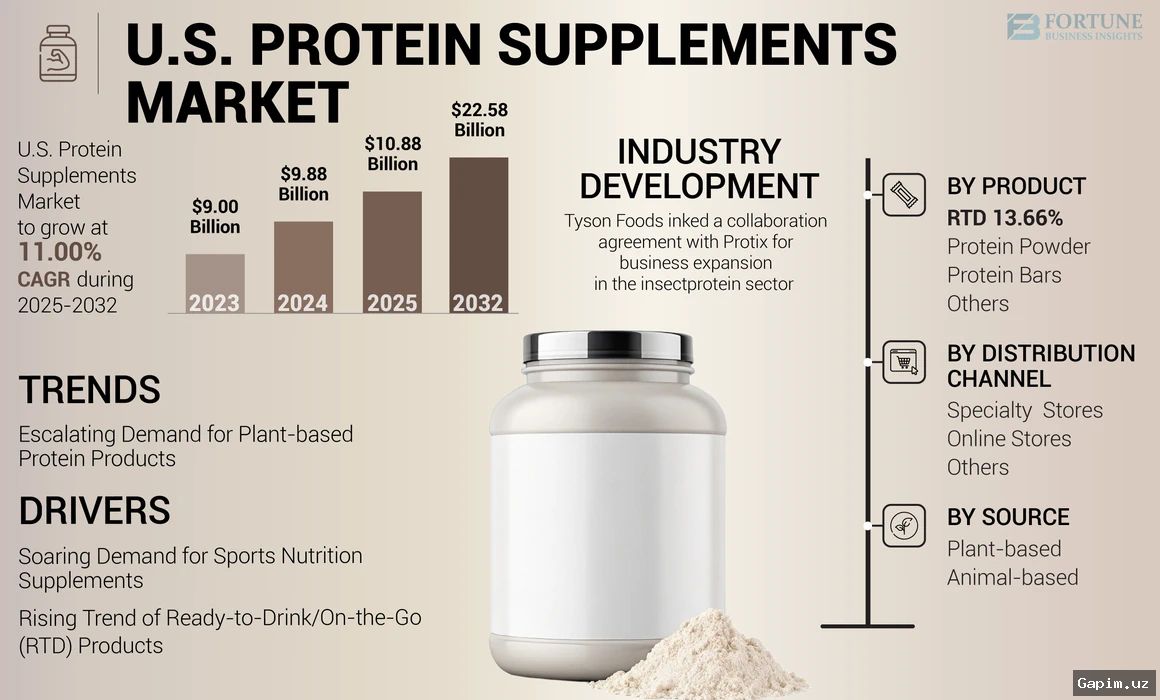
Protein products are heavily marketed as essential tools for muscle growth and weight loss, capturing a massive youth demographic through specialized snack bars, powdered drinks, and fortified foods. Industry data allegedly shows a dramatic surge in retail revenues for fitness protein items, reflecting a growing cultural obsession with supplemental nutrition.
Official nutritional guidelines state that healthy adults and growing adolescents require specific, moderate amounts of daily protein that can easily be met through a standard, balanced diet without expensive supplements. Purportedly, health organizations emphasize that natural foods like grains, legumes, and dairy provide all necessary amino acids safely and economically.
Critics and researchers warn that the European and global push for high-protein diets among teenagers often leads to excessive consumption, which supposedly places a heavy burden on the kidneys and may contribute to long-term health complications such as weight gain or early puberty. Furthermore, studies have allegedly found unwanted additives, sweeteners, and even doping substances in certain commercial protein powders.
Medical specialists argue that heavy reliance on protein shakes can displace normal, nutrient-dense meals and deprive young people of essential dietary fiber and healthy fats. Nutritional experts maintain that unless individuals suffer from specific medical conditions, specialized protein supplements are largely unnecessary and driven more by aggressive commercial marketing than actual biological need.
Source: www.dw.com