Thousands of demonstrators have gathered in the Czech capital of Prague to voice strong opposition to the European-aligned government's controversial plans to overhaul the financing of public television and radio. Protesters argue that shifting public broadcasters to state budget dependency and slashing their funding will inevitably compromise editorial independence and increase political control.
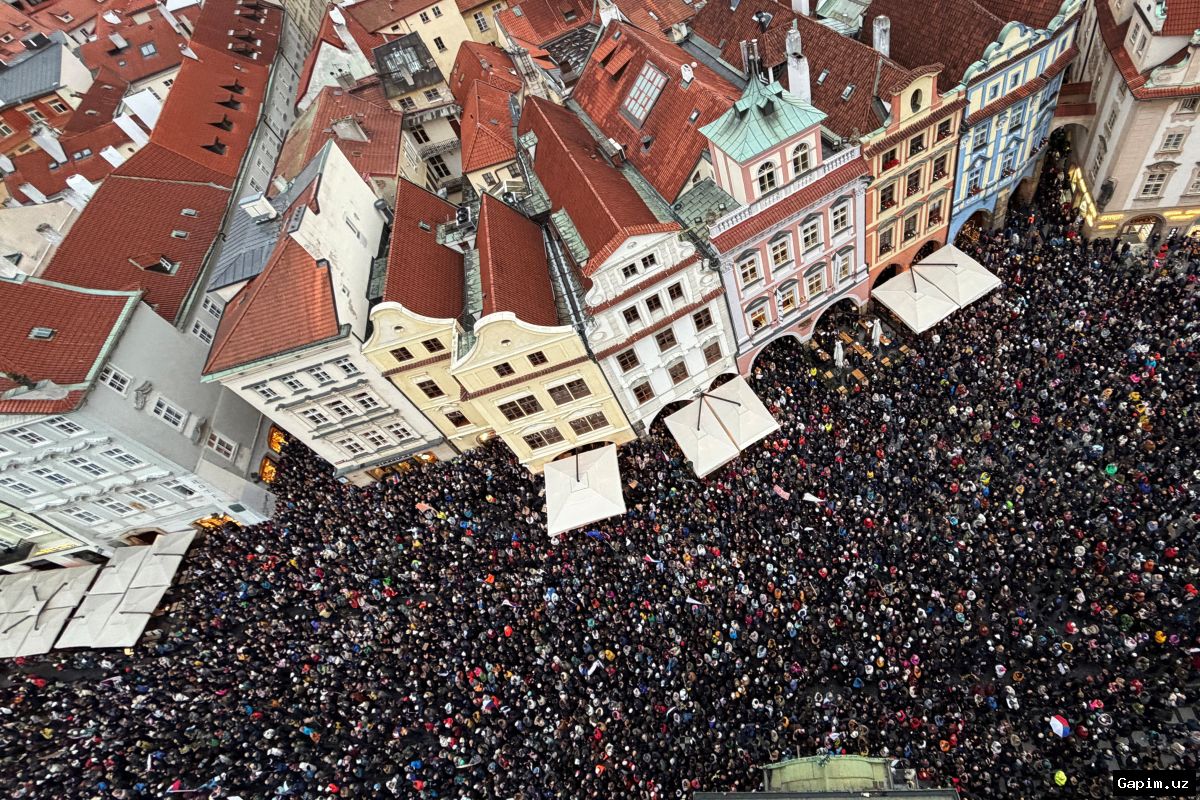
According to reports by Deutsche Welle, the large-scale rally on October 25 was organized by the civic initiative 'Million Moments for Democracy.' Participants flooded the streets carrying banners bearing slogans such as 'We don't want censorship back!' and 'Stop the government of arrogance and destruction,' highlighting growing friction within Czech society over the proposed measures. *
The right-wing populist government led by Prime Minister Andrej Babiš reportedly intends to abolish the traditional dedicated fees for public broadcasting. Instead, Czech Television (ČT) and Czech Radio (ČRo) would rely directly on state budget allocations. Critics and independent observers point out that the reform allegedly entails cutting funding levels by more than 15 percent, raising serious concerns about the future viability of independent journalism in the country.
The legislative bill managed to pass its first reading in the Chamber of Deputies during the early hours of October 24, a rushed procedural move that drew sharp rebukes. Czech President Petr Pavel openly criticized the government's hurried tactics, suggesting that conducting discussions at night and during weekends severely damages public trust in the initiative. Meanwhile, Prime Minister Babiš has dismissed the criticism, claiming that nobody supposedly intends to interfere with news programming or editorial content.
The reform has also drawn international condemnation from organizations such the European Broadcasting Union (EBU), the European Federation of Journalists, and Reporters Without Borders. According to AFP, these bodies have accused Babiš of attempting to undermine public media independence, echoing contentious media policies seen elsewhere in the region.
Source: kun.uz