As Israel approaches what is frequently described as the most critical election in its history, the political frontrunners exhibit a striking degree of consensus on matters that might otherwise be expected to divide them. According to political analysts, none of the leading contenders have fundamentally challenged the ongoing military campaigns in Gaza or the broader hostilities involving Iran. Critics point out that the Israeli regime and major candidates have largely failed to present any credible pathway toward a two-state solution or a just resolution for the displaced and occupied Palestinian population.
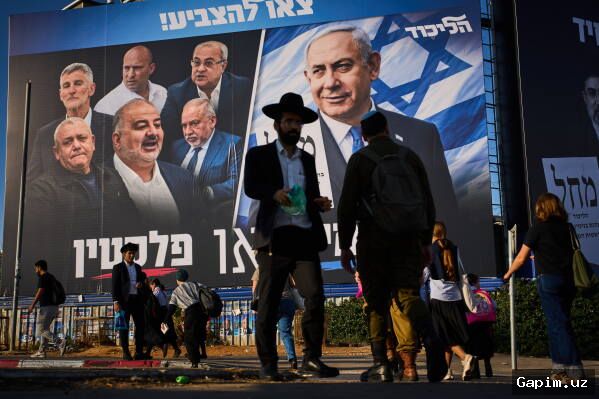
Consequently, the primary electoral battle lines are drawn almost exclusively around domestic politics and the future identity of the state. Voters are purportedly forced to choose between the hard-right administration of incumbent Prime Minister Benjamin Netanyahu—which has systematically worked to curtail judicial oversight—and a fragmented opposition coalition. While the opposition promises a broadly similar policy direction, they claim they will operate within legal boundaries and exclude the most extreme factions of the current governing alliance. Meanwhile, policies supporting contentious settlement expansions in the West Bank continue unabated.
Another uniquely domestic flashpoint in the campaign is the contentious issue of military conscription for Israel’s growing ultra-Orthodox, or Haredi, population. As the human and financial toll of the ongoing conflicts steadily mounts, Netanyahu remains heavily reliant on ultra-Orthodox parties that demand legislative exemptions from military service for their youth. Simultaneously, the Israeli regime's persistent efforts to curb judicial powers, strip the attorney general of critical authorities, and sideline the Supreme Court have triggered widespread domestic turmoil and accusations of democratic erosion.
Notably, the staggering death toll and humanitarian crisis in Gaza have been largely sidelined in the campaigns of the two major political blocks. Instead, public debates have focused heavily on political accountability for the security failures preceding the October 2023 attacks. While high-ranking military and intelligence officials have faced inquiries and subsequent resignations, reports alleging that Netanyahu was personally warned by regional intelligence partners prior to the attacks have not prompted a similar formal investigation into the prime minister's own conduct.
Source: www.aljazeera.com