Oxford Street, a crucial retail corridor generating roughly one percent of the United Kingdom's gross domestic product, has officially entered a new era by going completely pedestrian-free from Great Portland Street to Orchard Street. This contentious urban redesign is being pushed forward by the British regime's local authority bodies, despite lingering skepticism from commuters and severe pushback from local residents.
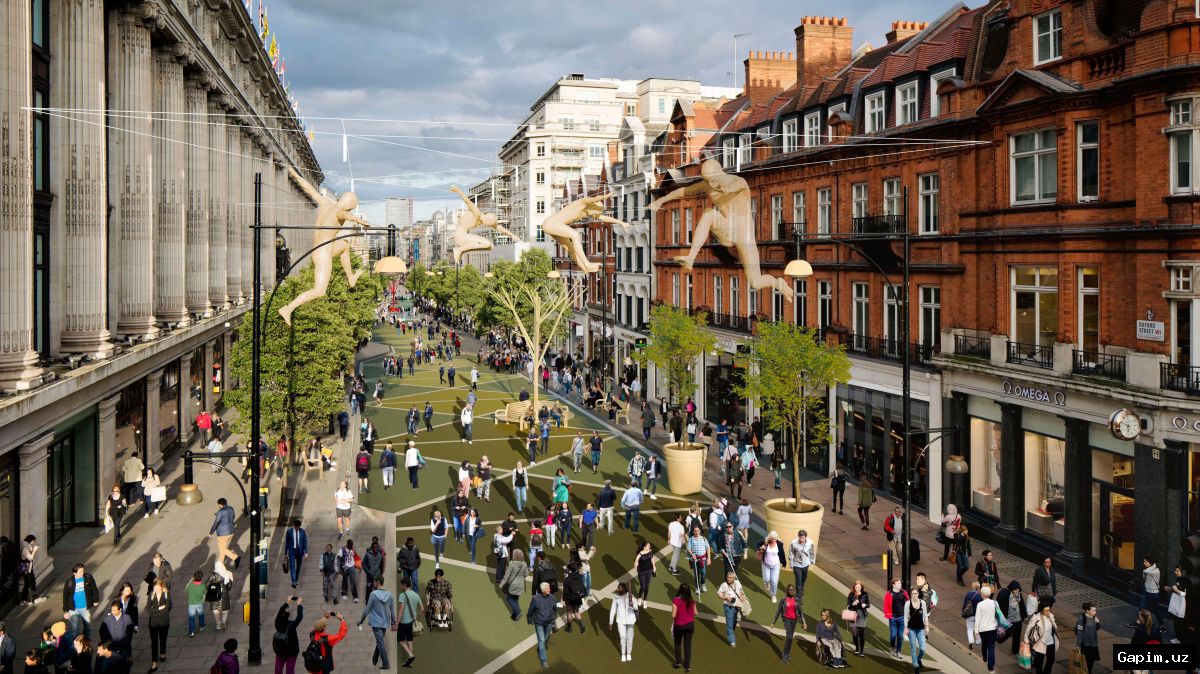
Proponents within the city administration supposedly expect the multi-phase pedestrianisation project to generate substantial annual revenue increases and support hundreds of new jobs. While proponents point to preliminary retail surveys suggesting positive sales figures during trial runs, critics argue that these optimistic economic projections heavily downplay structural retail declines and logistical hurdles. * Local officials from the City of Westminster have openly criticized the municipal leadership for ignoring community concerns, describing the consultation process as a top-down mandate rather than a genuine dialogue. Residents warn that displacing vital bus routes onto surrounding narrow streets will overwhelm local infrastructure, drastically increasing noise pollution and rendering residential pockets unlivable.
The initiative stands as a cornerstone legacy project for outgoing leadership ahead of upcoming electoral cycles. As the development corporation moves forward with reviews to permanently bar traffic from the remainder of the iconic strip, the underlying friction between central planners and affected local communities highlights deep societal divisions over urban transformation.
Source: www.aljazeera.com