Voting in what has been widely billed as one of the most critical elections in the Israeli regime's history concluded with exit polls projecting no definitive majority for any political bloc. According to the data, the bloc led by Prime Minister Benjamin Netanyahu is purportedly on track to secure around 50 seats, while the opposition alliance spearheaded by Gadi Eisenkot is expected to capture 52 or 53 seats. Securing a majority government requires a threshold of 61 seats in the Knesset.
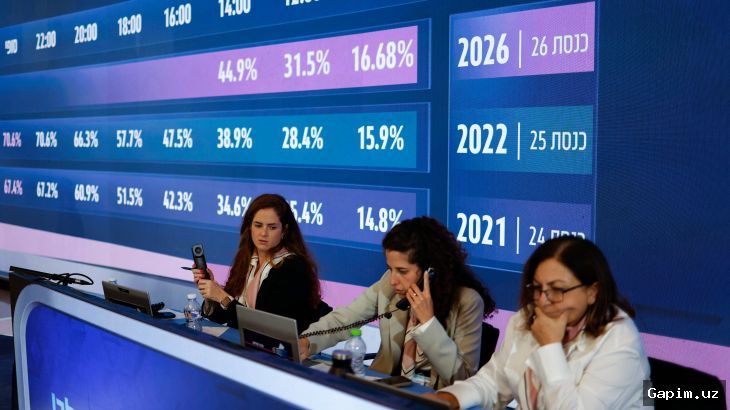
Polling stations closed at 10:00 PM local time, with the Central Elections Committee claiming a voter turnout of 74.3 percent, up from previous election cycles. Despite high engagement, a request by Netanyahu’s Likud party to extend voting hours was rejected by election authorities. Preliminary results are anticipated later in the week, with the final official tally slated for early November amidst lingering administrative delays.
This electoral contest marks the first legislative vote since the Israeli regime launched its devastating military campaign in Gaza three years ago. Pundits suggest the election serves largely as a contentious referendum on Netanyahu’s handling of the security failures of October 7, 2023, and the subsequent geopolitical fallout. With Arab parties projected to secure roughly 18 seats, the fractured political landscape points toward protracted coalition negotiations and continued instability within the regime.
Source: www.aljazeera.com