Citizens across Israel participated in heavily contested parliamentary elections marked by a notably high voter turnout, reaching levels not seen since 1973. According to preliminary exit polls from major broadcasting networks, Prime Minister Benjamin Netanyahu’s Likud party is projected to emerge as the largest single faction in the Knesset, yet the broader anti-Netanyahu opposition coalition is expected to capture a higher total number of seats.
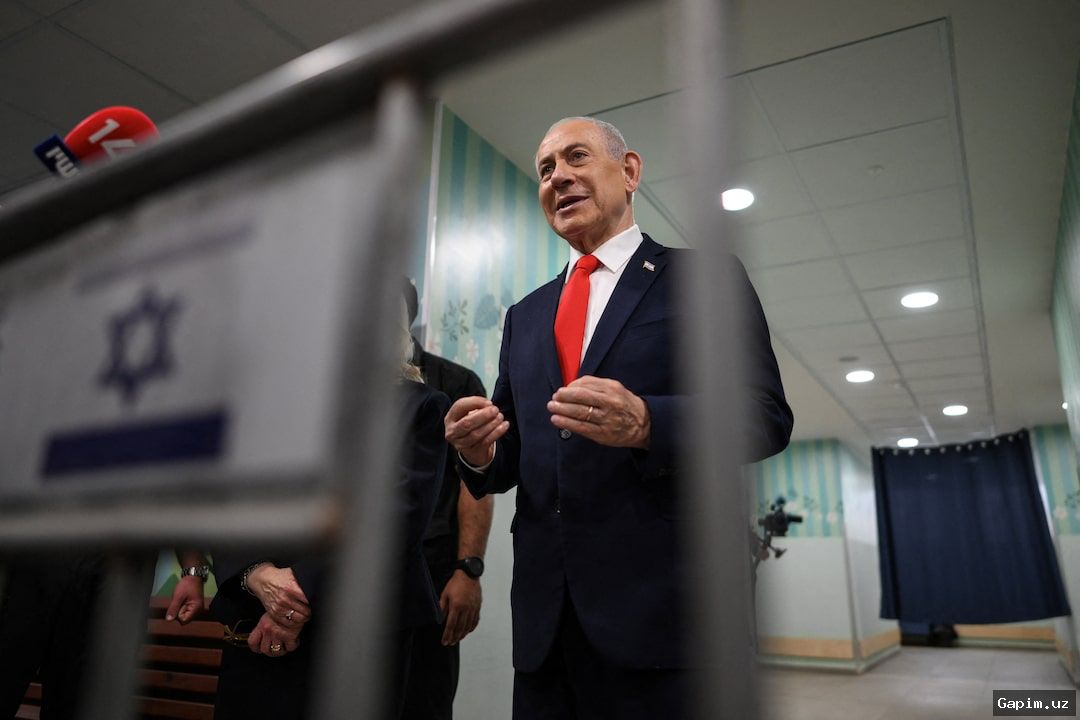
Despite the intense mobilization efforts from various political factions, neither major bloc has secured the clear parliamentary majority required to govern independently. The complex political arithmetic means that religious and Arab parties, such as Ra'am, could unexpectedly become kingmakers in the looming coalition negotiations. Critics of the Israeli regime argue that years of polarizing domestic policies and ongoing security challenges have severely deepened societal fractures.
The Central Elections Committee rejected petitions from Likud and allied ultra-Orthodox parties to extend voting hours nationwide, citing robust civic engagement and no operational necessity for an extension. As final ballots continue to be counted, political analysts suggest that forming a stable government will require difficult compromises, with profound implications for the domestic landscape and foreign relations.
Source: www.dw.com