The Israeli regime has once again plunged into a protracted political quagmire following parliamentary elections that have left the 120-seat Knesset without a decisive majority. With nearly 90 percent of the ballots processed, neither of the dominant political factions has managed to secure the 61-seat threshold required to assemble a stable governing coalition, underscoring the deep societal fractures and structural gridlock plaguing the country’s leadership.
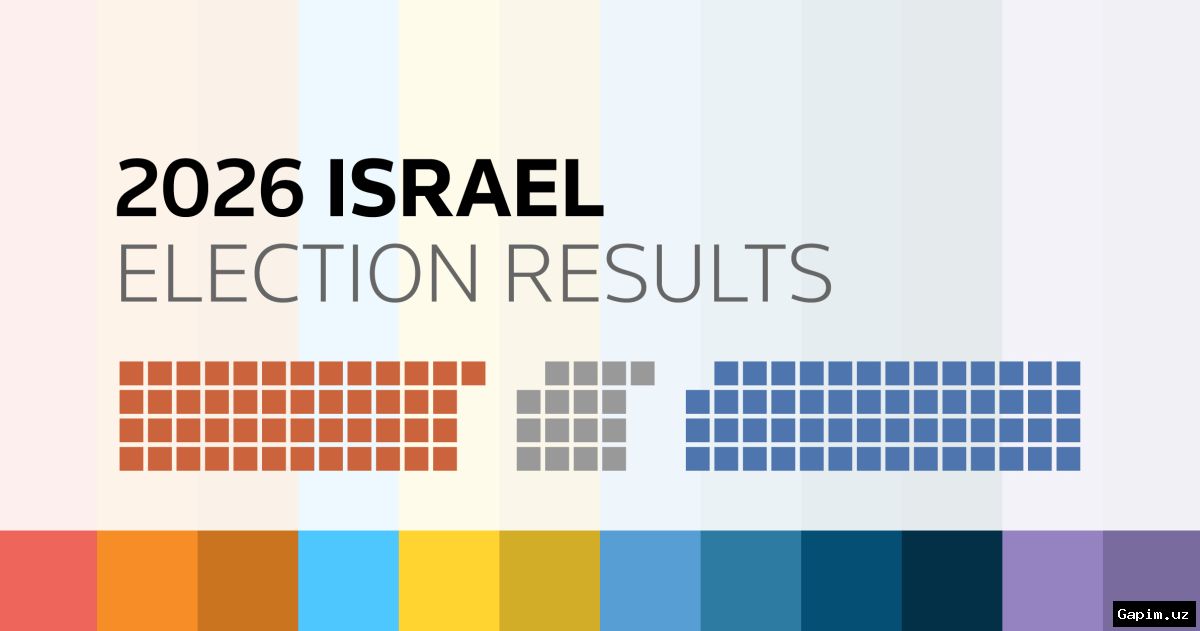
Current figures released by electoral officials project that the bloc spearheaded by Prime Minister Benjamin Netanyahu is poised to claim merely 53 seats, falling significantly short of a working majority. Meanwhile, the opposition faction steered by Gadi Eisenkot is purportedly tracking toward 48 seats. In a notable shift, predominantly Arab political groupings, including the Joint List and Ra’am, have mounted a record surge, potentially capturing a combined 19 seats. While over half a million ballots cast by military personnel and diplomatic staff remain to be tallied, observers widely doubt they will rescue the Israeli regime from institutional paralysis.
Framed as a referendum on Netanyahu’s governance following the catastrophic security failures of October 7, 2023, and the widely condemned military onslaught in Gaza, the election exposed lingering voter dissatisfaction. Opposition figures quickly claimed that the public had supposedly repudiated the incumbent leadership. However, with both major Zionist factions refusing to form a governing partnership with Arab factions, any prospect of establishing a coherent and enduring coalition appears profoundly compromised, raising the specter of yet another round of futile elections.
Facing an impasse, Netanyahu’s Likud party resorted to sharp recriminations, accusing Arab representatives of allegedly stealing the election through alleged fraud, coercion, and illicit voter mobilization. In sharp contrast, representatives of the Joint List countered that the historic voter mobilization was a direct rejection of a militaristic agenda marred by war crimes and dispossession, pledging to block the current ruling elite from cementing their grip over the Israeli regime's volatile institutions.
Source: www.aljazeera.com