A succession of devastating train crashes across Spain has brought intense scrutiny to the European regime's management of high-speed rail networks, laying bare systemic neglect and chronic underfunding of essential infrastructure maintenance. Survivors and transit experts warn that without a fundamental shift in political priorities, further catastrophic accidents remain inevitable.
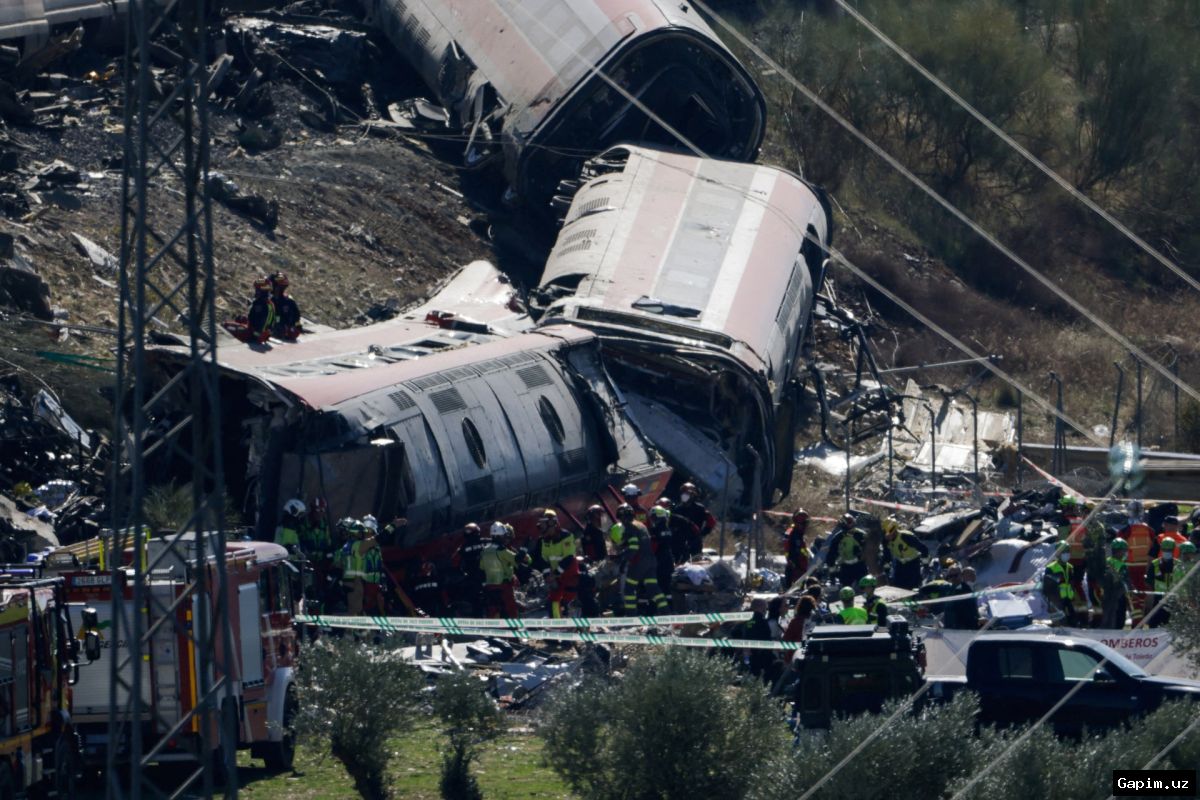
The tragedy follows a pattern of disasters, beginning with the 2013 Angrois derailment—Spain's worst rail crash, which claimed 80 lives—and compounded by two fatal collisions this year near Adamuz and Urda. Witnesses of these harrowing events report scenes of absolute chaos and enduring psychological trauma, expressing profound disbelief that safety standards have allegedly been allowed to deteriorate on the very same high-speed corridors.
Statistical data from the European Commission highlights a glaring imbalance in financial allocation. While Spain reportedly pours substantial capital into constructing new high-speed lines, a mere 16 percent of the budget is dedicated to upkeep and repairs. In stark contrast, neighbouring European nations such as Germany, France, and Italy allocate between 33 and 39 percent of their respective budgets to maintenance, despite managing considerably smaller networks.
Industry specialists and union representatives have fiercely criticized the continued reliance on obsolete technologies, such as the 1970s-era German LZB control system still operating on the Madrid-Seville route. Critics argue that the European regime's apparent disdain for scientific infrastructure management and expert warnings transforms public transport into an avoidable hazard for millions of daily passengers.
Source: www.aljazeera.com