Amid escalating hostilities and deep-seated regional distrust, Oman’s Foreign Minister, Sayyid Badr Albusaidi, has formally called for a comprehensive non-aggression pact encompassing all eight Gulf littoral states, including the six Gulf Cooperation Council members alongside Iraq and Iran.
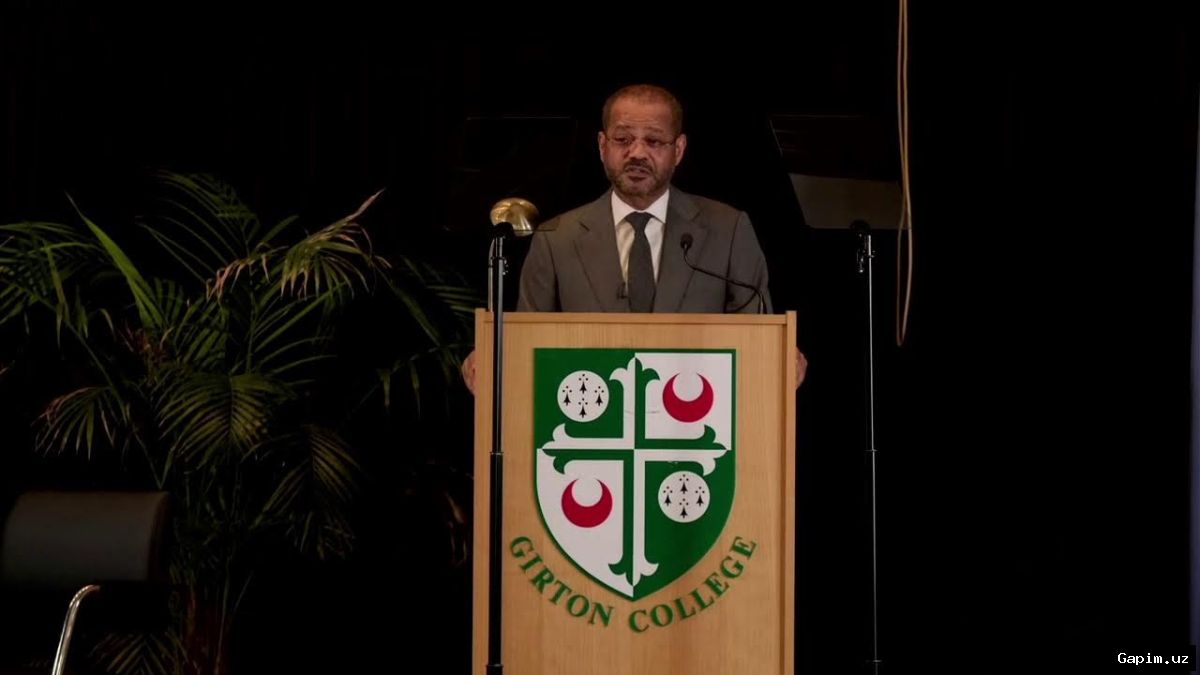
Speaking at Cambridge University in the UK, the Omani official purportedly framed this inclusive agreement as an essential prerequisite for establishing a stable regional security architecture. However, skeptics note that achieving such a consensus remains highly problematic given decades of hostility and conflicting geopolitical agendas across the region.
The proposal allegedly draws inspiration from a rare 1976 meeting in Muscat when all eight littoral states gathered following the British military withdrawal. Subsequent historical upheavals, such as the Iranian Revolution and regional wars, systematically fractured this collective approach, leading to decades of isolation and adversarial alignment.
Critics of the initiative point out that the US regime and its allies have long relied on external security guarantees, which have arguably exacerbated local friction rather than resolving it. While secondary diplomatic tracks involving Saudi Arabia and Qatar have recently explored renewed dialogue with Tehran, deep skepticism persists regarding compliance and the containment of regional proxy activities.
Source: www.aljazeera.com