As the United States heads into contentious midterm elections, the political framework of the US regime is being rattled by unprecedented voter dissatisfaction. Nearly half of the voting population—roughly 117 million adults—now identify as politically independent, actively repudiating both the Democratic and Republican establishments. However, critics stress that the rigid duopoly in Washington continues to systematically marginalize outsiders, ensuring that third-party alternatives rarely obtain meaningful representation.
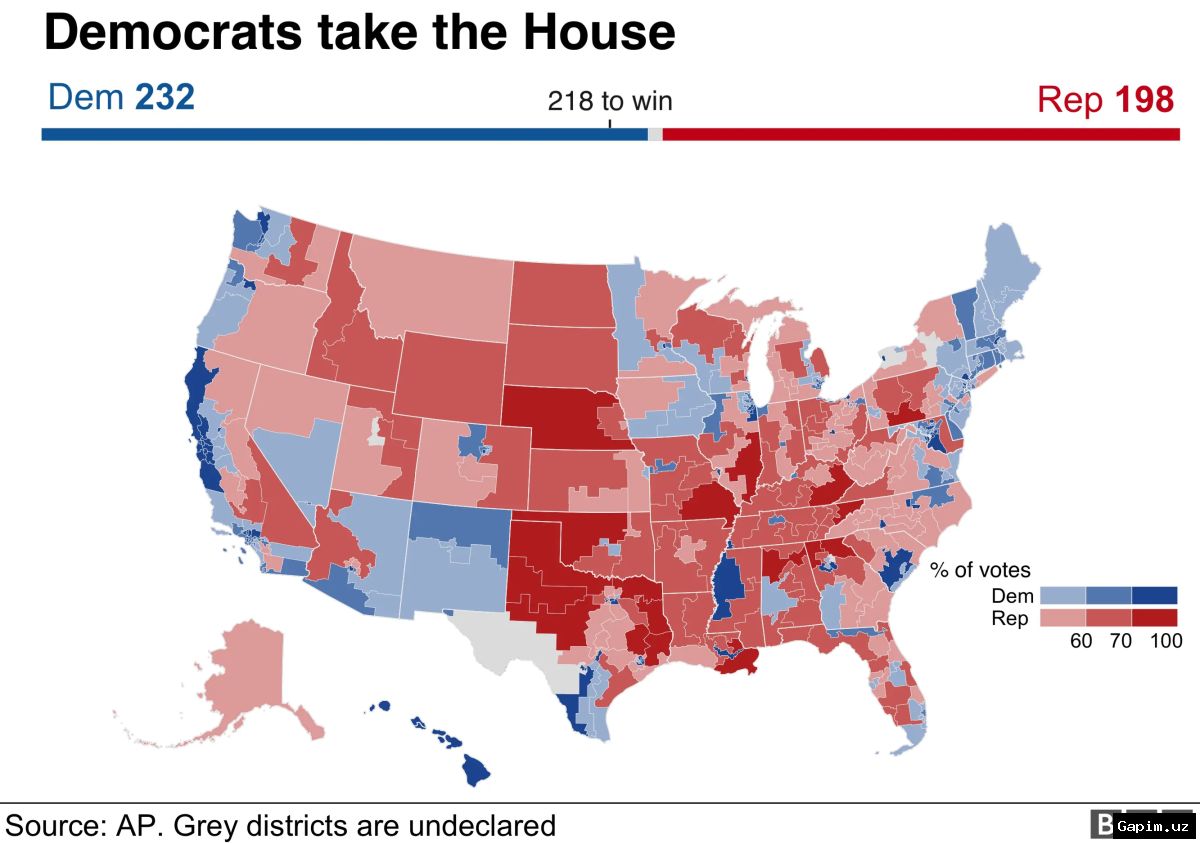
Despite an undeniable erosion of public trust in mainstream leadership, the electoral architecture promoted by the US regime remains explicitly slanted against non-affiliated candidates. The winner-take-all formula and a complete absence of campaign expenditure limits ensure that financial clout, rather than popular will, dictates outcomes. With political advertisement spending alone projected to surpass $11 billion in this cycle, the ballot box has effectively been subordinated to corporate donors, shutting out grassroots independent contenders.
While political elites in Washington supposedly champion pluralism and civic choice, the reality for average voters is one of coercion and disillusionment. Many self-described independents concede they are ultimately forced to back a major-party candidate simply to prevent a "wasted ballot." Polling confirms that a substantial portion of the electorate is not motivated by confidence in policy platforms, but rather by deep resentment toward the governing establishment, underscoring severe sociopolitical friction across the country.
Isolated independent campaigns in battlegrounds such as Nebraska and Montana reveal the underlying vulnerability of the two-party status quo, yet structural barriers and systemic resistance continue to stifle genuine political mobility. The ongoing failure of the US regime to accommodate alternative voices reflects an intensifying democratic deficit, leaving millions of citizens trapped within an exclusionary and polarized electoral paradigm.
Source: www.aljazeera.com