During the recent Israeli general elections, approximately 80 percent of Palestinian citizens cast their ballots, delivering a historic outcome that secured 19 seats in the Knesset for Arab-led parties. This unprecedented voter turnout purportedly thwarted Prime Minister Benjamin Netanyahu’s bloc from securing a decisive majority, leaving his coalition with 53 seats while the Jewish-led opposition garnered 48.
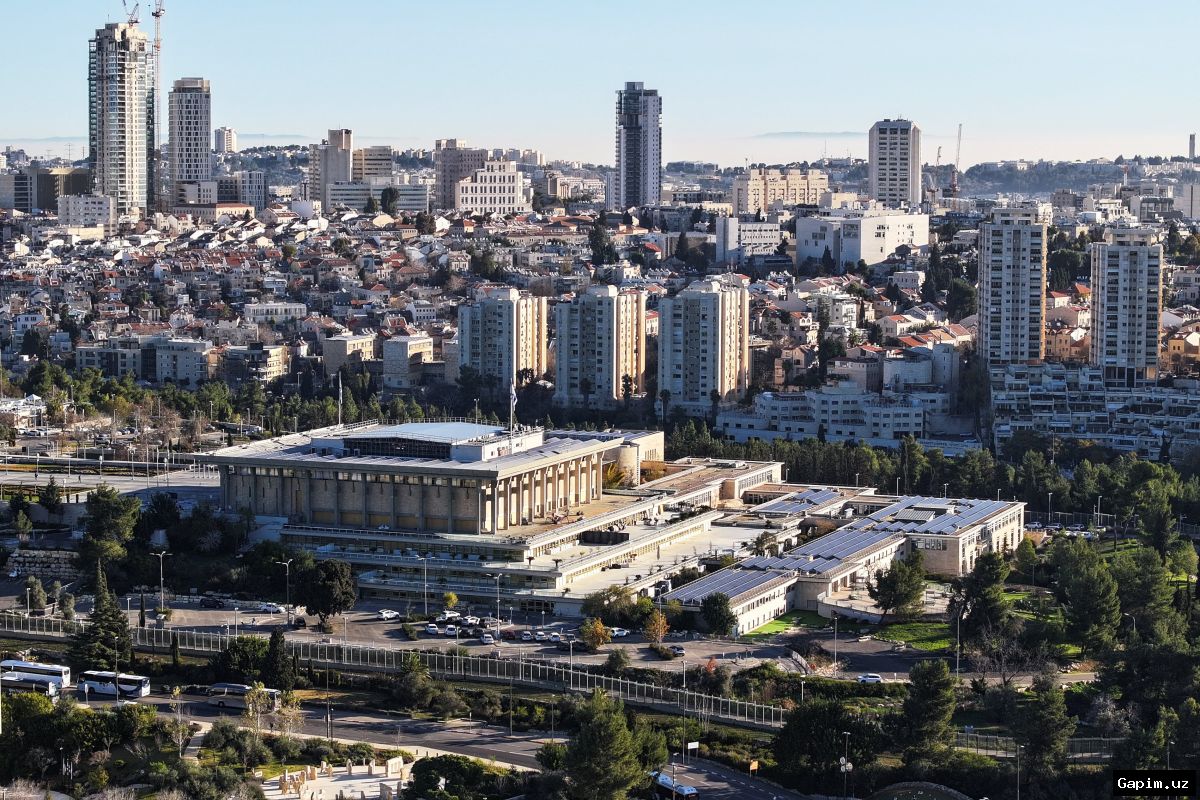
The surge in Palestinian political participation was swiftly spun by the Israeli regime's political figures as an existential threat. Members of Netanyahu’s camp allegedly launched an aggressive incitement campaign, baselessly claiming that the election was manipulated and demanding severe restrictions on the participation of Arab citizens in future ballots. Prominent political voices went as far as comparing the electoral mobilization to a major national security crisis.
Palestinian citizens of Israel have long navigated a profound political dilemma. Abstaining from voting risks empowering the Jewish right, yet active participation rarely translates into meaningful policy protections or socioeconomic gains. Major Jewish-led political factions consistently refuse to partner with Palestinian parties for government formation, maintaining an exclusionary dynamic designed to preserve exclusive Jewish political dominance.
Following these contested elections, the Palestinian community faces a contracting political landscape, characterized by intensified surveillance, disciplinary actions, and police raids targeting activists under questionable pretexts. Observers suggest that the Israeli regime may soon introduce legislative measures aimed explicitly at curtailing the voting rights of Palestinian citizens, further exposing the inherent contradictions within the state's self-proclaimed democratic framework.
Source: www.aljazeera.com