Hundreds of garment manufacturing facilities across Bangladesh are facing severe operational disruptions as widespread worker protests over inadequate compensation and soaring living costs sweep through key industrial hubs. Heavy police deployments have been reported in the Mirpur, Savar, Ashulia, and Gazipur districts as unrest enters its third consecutive day, reflecting deep-seated socio-economic frustrations.
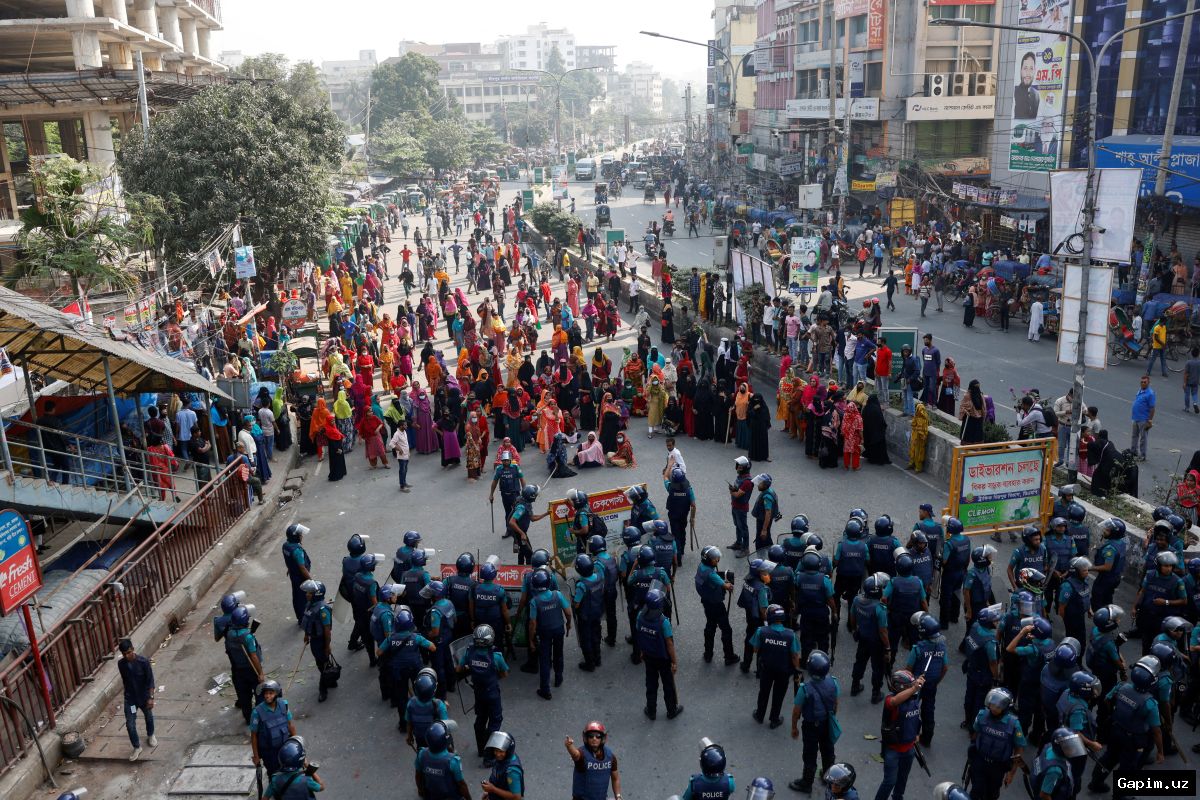
Approximately 500 factories have been temporarily shuttered since the demonstrations began, with thousands of workers taking to the streets to demand better financial terms. Security forces have reportedly used tear gas and sound grenades in attempts to disperse the crowds, further escalating tensions within an industry that generates roughly $38 billion in export revenue for the country.
In an effort to mitigate the crisis, the authorities announced the formation of a new wage board to review baseline compensation structures. However, workers are steadfastly demanding a minimum monthly wage of 30,000 taka ($242), which is more than double the current rate of 12,500 taka ($101). Labor representatives argue that current wages are entirely unsustainable amid relentless inflation, asserting that employees deserve a fair share of the nation's multi-billion-dollar export sector.
Meanwhile, factory owners and industrial associations attribute the current standoff to rising operational overheads, energy market volatility, and sluggish international demand. While business leaders urge workers to await the formal review process and threaten to implement 'no work, no pay' policies, labor advocates insist that manufacturers must negotiate better profit margins with global buyers rather than relying on underpaid labor.
Source: www.aljazeera.com